


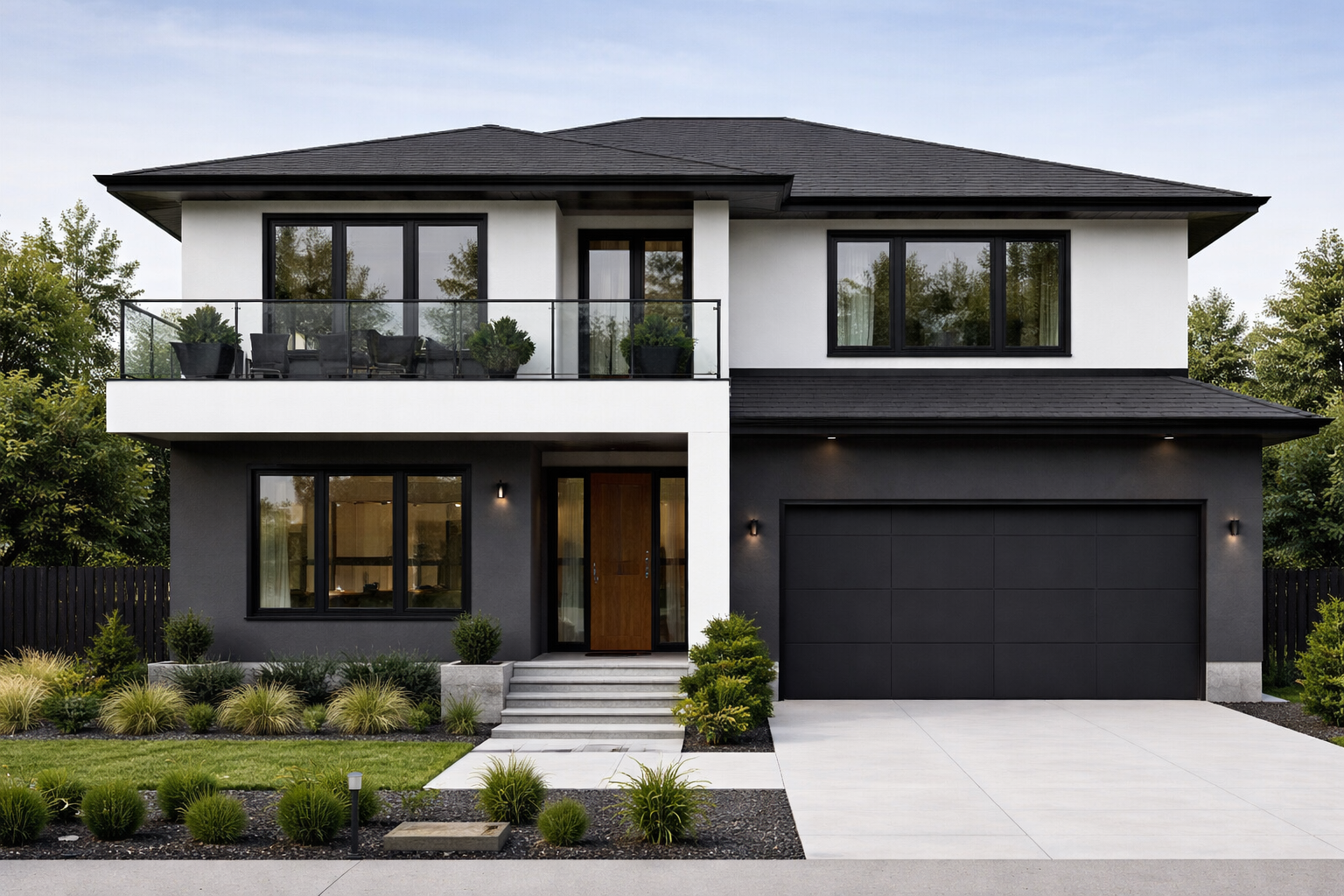
Energy efficiency has become a central focus in modern home design as homeowners seek to reduce energy consumption, lower utility costs, and create more sustainable living environments. Electrical systems play a major role in this transformation, as they control how power is distributed, used, and managed throughout the home.
Unlike older systems that simply delivered electricity, modern electrical systems are designed to optimize performance. They ensure that energy is used efficiently without unnecessary waste, allowing homeowners to maintain comfort while improving overall system reliability. This shift reflects the increasing demand for smarter, more adaptable electrical infrastructure.
How Modern Electrical Systems Differ from Traditional Setups
Traditional electrical systems were built to meet basic power needs, often without considering efficiency or long-term energy management. These systems typically lack the flexibility to adapt to changing usage patterns or the ability to support energy-saving technologies.
Modern systems, on the other hand, are designed with efficiency in mind. They incorporate advanced circuit designs, improved wiring, and smarter distribution methods that reduce energy loss. This allows homes to operate more efficiently while supporting a wide range of devices and appliances without overloading the system.
Homeowners working with Edison Electric Inc often benefit from updated systems that align with current energy standards and modern living requirements.
The Role of Smart Electrical Panels
Smart electrical panels are one of the most significant advancements in energy-efficient home systems. Unlike traditional panels, smart panels provide real-time monitoring of energy usage, allowing homeowners to see exactly how electricity is being consumed throughout the house.
These panels can help identify areas where energy is being wasted and allow adjustments to improve efficiency. Some systems also enable remote control, giving homeowners the ability to manage power usage even when they are not at home. This level of control contributes to better energy management and reduced utility costs over time.
Energy-Efficient Lighting Systems and Their Impact
Lighting accounts for a significant portion of a home’s energy usage, making it a key area for efficiency improvements. Modern electrical systems are designed to support energy-efficient lighting solutions such as LED fixtures, which consume less power while providing better illumination.
In addition to using efficient bulbs, advanced lighting systems can include dimmers, timers, and motion sensors. These features ensure that lights are only used when needed, reducing unnecessary energy consumption. Over time, these improvements contribute to noticeable savings and a more sustainable home environment.
Efficient Power Distribution and Load Management
An important aspect of energy efficiency is how electricity is distributed across different circuits in the home. Modern systems are designed to balance electrical loads more effectively, ensuring that no single circuit is overburdened while others remain underutilized.
Proper load management reduces strain on the system and prevents energy waste caused by inefficient distribution. It also improves the overall performance of appliances and devices, allowing them to operate more smoothly and reliably. This balanced approach is essential for maintaining efficiency in homes with high electrical demand.
Integration of Energy-Efficient Appliances
Energy-efficient electrical systems are designed to work seamlessly with modern appliances that consume less power. These appliances are built to perform the same functions as traditional ones while using significantly less energy, making them an essential part of an efficient home.
The compatibility between electrical systems and energy-efficient appliances ensures that power is used effectively without unnecessary loss. This integration helps homeowners achieve better performance while reducing overall energy consumption.
The Importance of Proper Wiring and Installation
Wiring plays a critical role in determining how efficiently electricity flows through a home. Poorly installed or outdated wiring can lead to energy loss, overheating, and inconsistent power delivery. Modern systems use high-quality wiring materials and installation techniques to minimize resistance and improve efficiency.
Professional installation ensures that all components are connected properly and that the system operates at optimal performance. This attention to detail helps prevent energy waste and ensures long-term reliability.
Working with a Licensed residential electrician company ensures that wiring and installation meet current standards and support efficient energy use.
Renewable Energy Integration in Modern Homes
Many modern electrical systems are designed to support renewable energy sources such as solar panels. These systems allow homeowners to generate their own electricity and reduce reliance on traditional power sources.
Integration with renewable energy requires specialized components that manage how power is stored and distributed. When properly installed, these systems can significantly improve energy efficiency while contributing to environmental sustainability.
This capability reflects the growing trend toward energy independence and reduced carbon footprints in residential construction.
Long-Term Cost Benefits of Energy Efficiency
While upgrading to an energy-efficient electrical system may require an initial investment, the long-term financial benefits are significant. Reduced energy consumption leads to lower utility bills, and improved system performance reduces maintenance and repair costs.
Over time, these savings can offset the initial cost of upgrades, making energy efficiency a practical and cost-effective choice. Additionally, homes with efficient systems often have higher market value, as buyers recognize the benefits of reduced operating costs.
Future-Proofing Homes with Advanced Electrical Systems
Modern electrical systems are designed with future needs in mind. As technology continues to evolve, homes require systems that can adapt to new devices, increased energy demand, and emerging innovations.
Energy-efficient systems provide the flexibility needed to support these changes. They allow homeowners to incorporate new technologies without major upgrades, ensuring that the home remains functional and efficient for years to come.
Conclusion
Energy-efficient electrical systems are essential for modern homes, offering improved performance, reduced energy consumption, and long-term cost savings. From smart panels and efficient lighting to balanced load distribution and renewable energy integration, these systems transform how electricity is used in residential spaces.
By investing in updated electrical infrastructure and working with professionals, homeowners can create safer, more efficient, and future-ready living environments. Energy efficiency is no longer just an option—it is a key component of modern home design and functionality.
