hassan@opplecottage.com
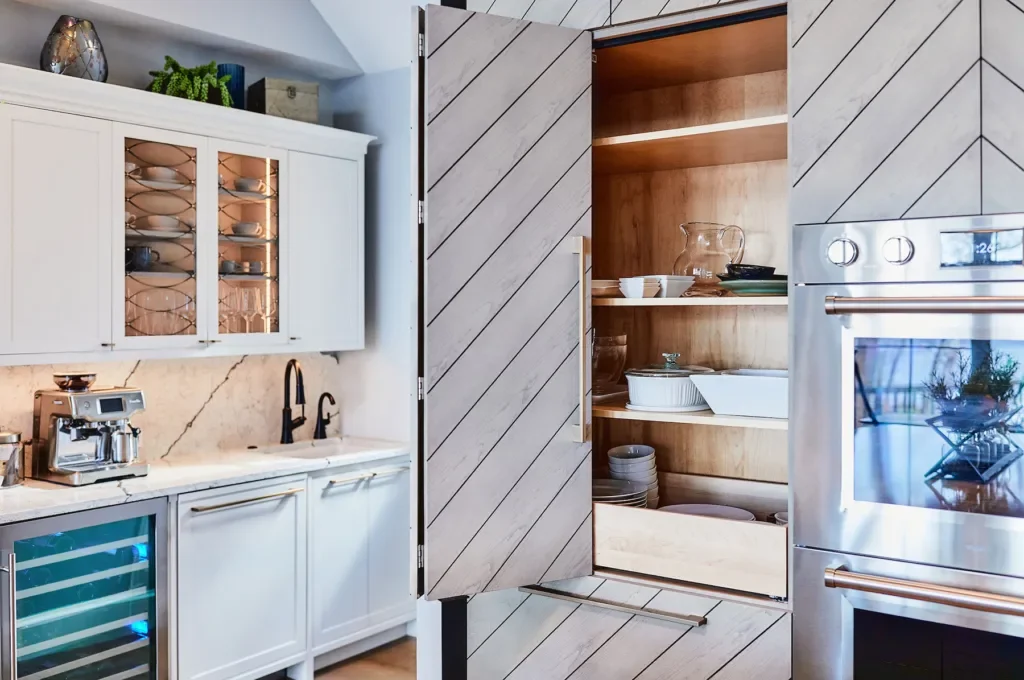
There is a version of cabinet door shopping that involves walking into a home improvement store, picking from the sizes on the shelf, and hoping the dimensions are close enough. For some straightforward projects that work fine. For anything else, whether the cabinets are an unusual size, the style options on the shelf feel generic, or the finish quality matters to the final look of the room, custom cabinet doors are worth serious consideration. Here is why they make sense and what the process actually involves.
The Core Advantage of Going Custom
Standard cabinet doors come in fixed sizes and a limited range of styles. If your existing cabinet boxes do not match those sizes precisely, you are left shimming, scribing, or compromising on fit. Over time a poor fit shows in gaps, uneven reveals, and doors that do not hang straight regardless of how carefully they are adjusted.
Custom cabinet doors are made to your exact measurements. The door that arrives is the door you ordered, sized to fit the specific opening with the specific overlay you specified. This sounds like a small thing until you are installing the fifteenth door of a kitchen renovation and every single one drops into place perfectly, which is when the value of precision manufacturing becomes obvious.
Style Options That Go Beyond the Shelf
The other limitation of off-the-shelf doors is the style selection. Mass-market cabinet doors typically cover a handful of the most popular profiles, which means if you want a specific shaker rail width, a particular arch detail, a beaded inset panel, or a combination of elements that reflects the design direction of the space, you are not going to find it at a big box store.
Custom manufacturing opens the full range of door styles. Custom cabinet doors from a dedicated manufacturer like Cabinet Doors give you control over the door style, the wood species, the panel profile, the rail and stile dimensions, and the finish, which is the combination of decisions that produces a door that looks intentional rather than selected from whatever was available.
For homeowners who have invested thought into the design of a kitchen or bathroom, that level of control over the final product matters. The door style and finish are what visitors actually see, and the difference between a door that fits the design and one that approximates it is visible every day.
Wood Species and Material
Custom cabinet door manufacturers typically offer a wider range of wood species than standard suppliers. Beyond the ubiquitous maple and oak, custom options often include cherry, walnut, hickory, alder, and paint-grade MDF for those who want a flawlessly smooth surface for painted finishes.
The choice of wood species affects the grain character, the color when stained, and the price. Maple is a tight-grained, light-colored wood that takes stain evenly and is one of the most popular choices for both natural and painted finishes. Walnut is darker and more dramatic, with a grain character that looks rich with minimal finish. Cherry deepens in color over time with light exposure, which some homeowners specifically seek and others find unexpected.
MDF is the best substrate for painted cabinet doors because its smooth, consistent surface takes paint without the grain telegraphing through. If the plan is a painted finish, MDF is the choice that cabinet painters consistently recommend for the cleanest result.
The Process Is Simpler Than It Sounds
Many homeowners assume custom means complicated, expensive, and slow. Modern custom cabinet door manufacturers have streamlined the process significantly. You measure your openings, specify the style, material, and finish you want, submit the order, and receive doors that are ready to install.
Pricing for custom doors is not as dramatically higher than standard doors as most people expect, particularly when you factor in the waste and rework that often comes with standard doors that do not quite fit. For a full kitchen or a significant cabinetry project, the cost difference per door is often smaller than the value of having every door fit correctly the first time.
Lead times vary by manufacturer and by the complexity of the order, but most dedicated cabinet door suppliers produce and ship within two to four weeks for standard custom orders. Planning the door order early in a renovation timeline ensures the doors arrive when the installation is ready rather than creating a delay at the end of the project.