


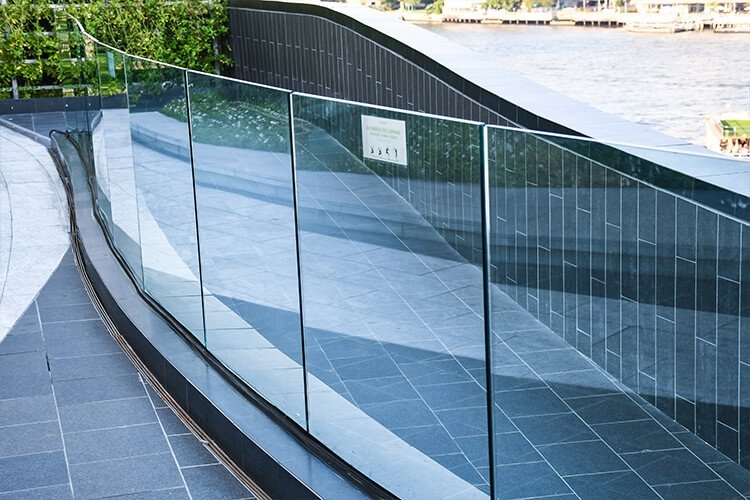
Have you ever dropped your phone and watched the screen shatter into a spiderweb of cracks? It’s one of the most painful moments for any gadget lover. That’s where tempered glass comes in. It’s one of the smartest inventions in modern safety and technology. Whether you’re buying a screen protector, building a glass shower door, or picking windows for your new home, tempered glass plays a huge role in your daily life.
In this guide, we’ll break everything down in simple, easy-to-understand language. You’ll learn what tempered glass is, why it’s stronger than regular glass, where it’s used, and how to choose the right product for your needs. Let’s dive in!
What Is Tempered Glass and How Is It Made?
Tempered glass is a type of safety glass. It goes through a special heating and cooling process that makes it much stronger than regular glass. The glass is heated to over 600°C (around 1,100°F). Then it’s cooled very quickly. This process is called “quenching.”
This rapid cooling creates tension inside the glass. The outer layers compress while the inner layers stay in tension. That balance is what makes tempered glass so incredibly tough. It can handle impacts, pressure, and temperature changes much better than ordinary glass.
Think of it like this: regular glass is like a cracker — one small hit and it breaks into sharp, dangerous pieces. Tempered glass is more like a hard candy. It takes a lot more force to break it. And when it does break, it shatters into tiny, rounded pebbles instead of sharp shards. That’s a game-changer for safety.
Why Tempered Glass Is Safer Than Regular Glass
This is one of the most important things to understand. When regular glass breaks, it creates long, jagged pieces that can cut skin deeply. Injuries from regular glass can be severe, even life-threatening in some cases.
Tempered glass breaks differently. It breaks into small, rounded pieces that are far less likely to cause serious cuts. This is why it’s called “safety glass.” In many countries, building codes actually require tempered glass in certain areas of homes and buildings. Places like shower doors, stair railings, and glass near floors must use this material by law.
| Feature | Regular Glass | Tempered Glass |
|---|---|---|
| Breaking Pattern | Sharp, jagged shards | Small, rounded pebbles |
| Strength | Standard | 4–5x stronger |
| Heat Resistance | Low | High |
| Safety Rating | Low | High (Safety Glass) |
This safety difference alone is reason enough to choose tempered glass whenever possible. It protects your family, employees, and customers from unnecessary harm.
The Strength of Tempered Glass: Numbers That Wow You
Let’s talk numbers. Tempered glass is approximately 4 to 5 times stronger than annealed (regular) glass of the same thickness. That’s not a small jump — that’s a massive upgrade in performance.
It can also handle temperatures up to 250°C (482°F) without breaking. Compare that to regular glass, which can crack easily with sudden temperature changes. For outdoor windows, glass cookware, or car windshields, this heat resistance is incredibly valuable.
Tempered glass also handles flexural stress (bending pressure) much better. This means it can resist wind, weight, and impact loads that would destroy regular glass in seconds. That’s why it’s used in skyscrapers, car windows, and sports arenas.
Where Is Tempered Glass Used? More Places Than You Think
Tempered glass is literally everywhere once you start looking. Most people only think of phone screen protectors. But this material shows up in dozens of everyday places.
In Your Home:
- Shower doors and enclosures
- Oven and microwave doors
- Glass tabletops and coffee tables
- Sliding patio doors
- Glass stair railings and balconies
- Bathroom mirrors in wet areas
In Your Car:
- Side and rear windows (almost always tempered glass)
- Sunroofs
- Some vehicle door glass
In Commercial Spaces:
- Storefront windows
- Glass office partitions
- Display cases in shops and museums
In Electronics:
- Smartphone screen protectors
- Tablet screen protectors
- Smartwatch covers
- Camera lens protectors
| Application Area | Common Use | Key Benefit |
|---|---|---|
| Home | Shower doors, oven doors | Safety and heat resistance |
| Automotive | Side windows, sunroofs | Impact resistance |
| Electronics | Screen protectors | Scratch and drop protection |
| Commercial | Office glass, storefronts | Durability and security |
This wide range of applications proves just how versatile and useful tempered glass really is. It’s not a niche product — it’s a daily necessity.
Tempered Glass Screen Protectors: Do They Really Work?
Here’s one of the most popular questions in the smartphone world. Do tempered glass screen protectors actually protect your phone? The short answer is: yes, absolutely.
A good quality tempered glass screen protector can do several things at once. It shields your screen from scratches caused by keys, coins, and other objects in your bag or pocket. It absorbs the shock of a drop before the impact reaches your actual screen. And because it’s made of glass, it maintains the natural touch sensitivity of your phone perfectly.
Many tempered glass screen protectors have a hardness rating of 9H on the Mohs scale. That means they’re hard enough to resist scratches from almost anything you’ll encounter in daily life. Only a diamond (rated 10H) can scratch a 9H surface. That’s impressive for something you buy for under $10.
There’s a reason millions of people use these products. They’ve saved countless phone screens from cracking. And replacing a tempered glass screen protector costs a fraction of what a phone screen repair would set you back.
How to Choose the Right Tempered Glass Product
Not all tempered glass products are equal. Whether you’re shopping for a screen protector or a glass door panel, knowing what to look for helps you make the smartest choice. Here are the most important things to consider.
1. Thickness
For screen protectors, thickness ranges from 0.2mm to 0.5mm. Thinner protectors (0.2mm–0.3mm) feel more natural and don’t interfere with touch sensitivity. Thicker ones offer more shock protection. For architectural glass, thickness depends on the intended use — tabletops need thicker glass than windows.
2. Hardness Rating
Look for a 9H hardness rating in screen protectors. This ensures scratch resistance. For building glass, check the tempered glass certification — it should meet local safety standards.
3. Coating and Clarity
The best tempered glass screen protectors have an oleophobic coating. This is a fancy term for “oil-resistant.” It keeps fingerprint smudges off your screen and makes it easy to wipe clean. Good optical clarity (99%+) ensures your screen looks just as sharp as without a protector.
4. Edge-to-Edge Coverage
Some screen protectors only cover the flat center of your screen. Others extend to the curved edges. For phones with curved displays, make sure you get a protector designed for your specific model.
5. Brand and Reviews
Always check real user reviews. A cheap, unbranded tempered glass product might not be true tempered glass at all. Stick with trusted brands that provide certifications and clear product information.
Tempered Glass vs. Laminated Glass: What’s the Difference?
People often confuse tempered glass with laminated glass. They’re both safety glass, but they work very differently. Understanding the difference helps you pick the right one for the right job.
Tempered Glass is a single pane of glass that’s heat-treated for strength. When it breaks, it crumbles into those safe, rounded pieces we mentioned earlier.
Laminated Glass is made of two or more glass layers bonded together with a plastic interlayer (usually PVB). When it breaks, the plastic layer holds the pieces together. You’ve seen this on car windshields. When a rock hits a windshield, it cracks but the glass stays in one piece. That’s laminated glass at work.
| Feature | Tempered Glass | Laminated Glass |
|---|---|---|
| When it breaks | Falls apart in small pieces | Holds together in one piece |
| Common uses | Side car windows, shower doors | Windshields, hurricane windows |
| Sound insulation | Moderate | Excellent |
| UV blocking | Standard | Can block up to 99% UV |
| Cost | Lower | Higher |
For most home and phone applications, tempered glass is the better and more affordable choice. For security or hurricane-resistant applications, laminated glass wins.
Can You Cut or Drill Tempered Glass?
This is a question a lot of DIY enthusiasts ask. The straightforward answer is: no, you cannot cut or drill tempered glass after it’s been processed.
Here’s why. The strength of tempered glass comes from the internal stress balance created during the heating and cooling process. The moment you try to cut or drill it, you disrupt that balance. The glass will shatter immediately — sometimes explosively — into hundreds of tiny pieces.
If you need tempered glass in a custom size or with drilled holes, those holes and cuts must be made before the tempering process. This is why ordering custom-sized tempered glass panels requires precise measurements upfront. You can’t make adjustments later.
This is also why you should never try to modify an existing tempered glass shower door, table, or window at home. Leave custom cutting to professionals who have the right tools and processes in place.
Tempered Glass and Heat: How Much Can It Handle?
One of the standout qualities of tempered glass is its heat resistance. Regular glass can crack from a sudden change in temperature — called thermal shock. For example, if you pour boiling water into a regular glass cup, it might crack from the sudden heat.
Tempered glass handles thermal shock much better. It can withstand temperature differences of up to 200°C (392°F). This is why oven doors, stovetop glass panels, and fireplace screens use tempered glass almost exclusively.
However, it’s important to know the limits. Tempered glass is not designed for direct open-flame contact. And sustained temperatures above 300°C can weaken its tempered properties over time. For extremely high-heat applications like industrial furnaces, specialized borosilicate glass is used instead.
For everyday cooking, heating, and home use, tempered glass is perfectly safe and reliable. Just don’t leave it on a direct open flame or use it in ways it wasn’t designed for.
The Environmental Benefits of Tempered Glass
Here’s something that often gets overlooked: tempered glass is actually an eco-friendly choice in many ways. Let’s look at why.
First, tempered glass is incredibly durable. Products made with it last longer than those made with regular glass. Longer-lasting products mean less waste and fewer replacements over time. A tempered glass table, for example, can last decades with minimal care.
Second, glass is 100% recyclable. When tempered glass does eventually reach the end of its life, it can be recycled — though the recycling process is more complex than for regular glass due to its altered internal structure. Many facilities are now equipped to handle it properly.
Third, tempered glass windows and panels can be part of energy-efficient building designs. When combined with proper glazing and insulation layers, they help reduce heat transfer. This lowers heating and cooling costs in homes and buildings, reducing energy consumption over time.
Choosing high-quality tempered glass products is not just a smart safety choice — it’s also a choice that can be kinder to the planet.
How to Care for and Maintain Tempered Glass
Tempered glass is low-maintenance, but a little care goes a long way. Here’s how to keep it looking great and functioning perfectly.
Cleaning Tips:
- Use a soft microfiber cloth. Avoid abrasive sponges or steel wool.
- A mixture of mild dish soap and warm water works great for most cleaning tasks.
- For streak-free results on windows and doors, use a 50/50 solution of white vinegar and water.
- Dry immediately after cleaning to prevent water spots, especially in hard water areas.
What to Avoid:
- Never use harsh chemicals like bleach, ammonia-based cleaners, or industrial solvents. These can damage coatings and cloud the glass.
- Don’t apply excessive pressure when wiping. Tempered glass is strong, but surface coatings can scratch.
- Avoid slamming glass doors or dropping heavy objects on glass tabletops. Even tempered glass has its breaking point.
For Screen Protectors:
- Use your phone’s included cleaning kit or a microfiber cloth.
- Replace the protector when you notice deep scratches or cracks. A cracked screen protector still protects — but it won’t look great and may lift at the edges.
| Surface Type | Best Cleaner | Tool to Use |
|---|---|---|
| Windows/Doors | Vinegar + water mix | Microfiber cloth |
| Tabletops | Mild dish soap + water | Soft cloth |
| Screen protectors | Screen cleaning spray | Microfiber cloth |
| Shower doors | White vinegar | Squeegee + soft cloth |
With just a little regular care, your tempered glass surfaces will stay crystal clear and beautiful for years.
Common Myths About Tempered Glass — Busted!
There’s a lot of misinformation floating around about tempered glass. Let’s clear up some of the most common myths.
Myth #1: “Tempered glass is unbreakable.” False. Tempered glass is much stronger than regular glass, but it can still break. A sharp, concentrated impact (like a corner hit) can shatter it. It’s tough, not invincible.
Myth #2: “Thicker tempered glass is always better.” Not always. Thicker glass does offer more structural strength, but for screen protectors, extremely thick options can reduce touch sensitivity and feel unnatural. Choose the right thickness for your specific need.
Myth #3: “All tempered glass screen protectors are the same.” Definitely false. Quality varies greatly between brands. Low-quality products may not be true tempered glass, may have poor adhesive, or may not cover your screen edge-to-edge. Research and buy from reputable sellers.
Myth #4: “Tempered glass turns yellow over time.” True tempered glass itself does not yellow. However, some low-quality screen protectors have adhesive layers that can yellow with age and UV exposure. High-quality products use UV-resistant materials to prevent this.
Frequently Asked Questions About Tempered Glass
Is tempered glass the same as safety glass?
Yes, tempered glass is one type of safety glass. It’s designed to be stronger and to break in a safer way than regular glass. Laminated glass is another type of safety glass. Both are much safer than ordinary glass when they break.
How can I tell if glass is tempered?
Look for a small etched or printed label in the corner of the glass. This usually shows the manufacturer’s name, the glass thickness, and a safety certification mark. You can also use a polarized lens — tempered glass shows stress patterns (a grid-like pattern of dark spots) when viewed through polarized sunglasses.
Can tempered glass protect my phone screen from all drops?
A tempered glass screen protector greatly reduces the risk of screen damage from drops. However, no product offers 100% protection from every drop. Very high falls onto hard corners or at bad angles can still cause damage. It’s your best available protection, but not a guarantee.
Is tempered glass expensive?
It depends on the application. For smartphone screen protectors, quality options are very affordable — often $5 to $20. For home glass panels, shower doors, and architectural applications, prices vary based on size, thickness, and customization. In general, the safety and durability it offers make it a great value.
Can I install a tempered glass screen protector myself?
Absolutely! Most screen protectors come with an easy installation kit. Clean your screen thoroughly, remove the backing, align carefully, and press down from the center outward to remove air bubbles. It takes a few minutes and no special skills are required.
Does tempered glass block UV rays?
Standard tempered glass does not block UV rays very effectively. However, some specialty tempered glass products include UV-blocking coatings or films. If UV protection is important to you (for furniture, skin protection, or preventing fading in your home), look for products that specifically advertise UV-blocking properties.
Conclusion: Tempered Glass Is Worth Every Penny
By now, you can see that tempered glass is not just a buzzword — it’s a true engineering achievement that makes our lives safer, more convenient, and more comfortable every single day. From the shower you use every morning to the smartphone in your pocket, this remarkable material is working hard to protect you and your belongings.
Whether you’re shopping for a simple screen protector or upgrading the glass in your home, understanding what tempered glass is and what it can do helps you make smarter choices. Always look for certified products, choose reputable brands, and don’t skip the tempered glass option to save a few dollars. The safety it provides is worth far more than any cost difference.
Have questions about tempered glass for your specific need? Drop a comment below! We’d love to help you find the perfect solution. And if this article helped you, share it with a friend who’s always dealing with cracked screens or is planning a home renovation. Spread the knowledge!
