hassan@opplecottage.com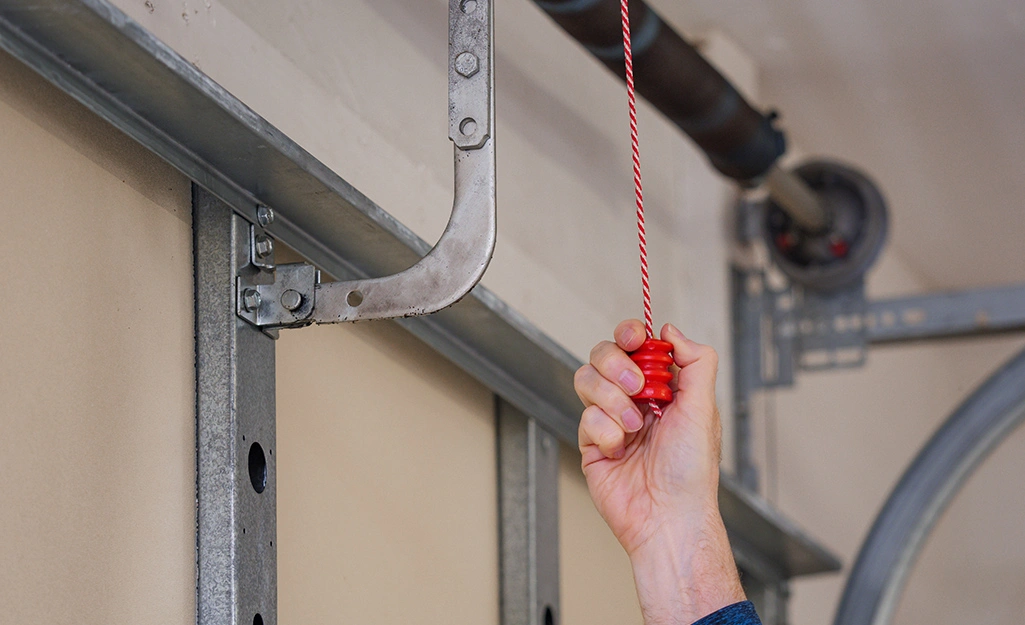
Few household inconveniences are quite as frustrating as pressing your garage door wall button or remote control, watching the heavy door travel down a few inches, and then suddenly reversing back up while the opener light blinks uselessly. A garage door that refuses to close shuts down your daily schedule while leaving your vehicles, tools, and direct home access points fully exposed to intruders and harsh weather.
Overhead door assemblies operate through a complex network of electrical sensors, balanced counter-tension springs, heavy-duty cables, and tracks. When the closing cycle fails, the cause can range from a simple dirty lens to a dangerous mechanical imbalance. Systematically troubleshooting the underlying issue allows you to resolve minor glitches safely or recognize when professional intervention is required.
Understanding the Automatic Reversing System
Modern automatic garage door openers are equipped with dual safety systems designed to prevent the heavy panels from crushing objects, pets, or people. If your door stops and immediately reverses, the opener is sensing an obstruction or registering a fault in its safety circuit.
The system relies on two main feedback pathways to determine if it is safe to lower the door:
- Photo-Eye Safety Sensors: Mounted roughly four to six inches off the floor on either side of the door track, these sensors send an invisible infrared beam across the opening. If anything breaks this beam, or if the sensors lose alignment with each other, the opener will refuse to close the door.
- Mechanical Force Limits: The opener motor monitors the mechanical force required to push the door down. If warped tracks, binding rollers, or broken springs create excessive resistance, the motor assumes an obstruction is present and immediately reverses direction.
Step-by-Step Troubleshooting Guide for Homeowners1. Inspect and Clean the Photo-Eye Sensors
The photo-eye sensors are the single most common cause of a door refusing to close. Examine the tiny LED lights on both the sending and receiving sensor pods near the floor. Both lights should glow steadily without flickering.
If the lights are blinking or entirely off, check for common issues:
- Physical Blockages: Leaves, cobwebs, debris, or lawn equipment stored too close to the tracks can block the light beam.
- Dirty Lenses: Dust, mud, or frost buildup on the glass lenses can scatter the infrared signal. Gently wipe both lenses clean using a soft microfiber cloth.
- Sunlight Interference: Direct, bright sunlight striking the receiving lens at a low angle during specific times of day can blind the sensor. Temporarily shading the sensor with your hand will confirm if sunlight glare is causing the issue.
2. Check Line-of-Sight Sensor Alignment
If the LED indicator light on one of the sensors is flickering or dark after cleaning, the units have likely been knocked out of alignment. The brackets can easily be bumped by car bumpers, trash cans, or lawn tools.
To realign them, loosen the wing nut on the mounting bracket and gently adjust the sensor until the indicator light stops flickering and shines continuously. Once aligned, hand-tighten the bracket nut securely back into position.
3. Examine the Tracks and Floor Area for Obstructions
Walk along the vertical and horizontal steel tracks to inspect for physical debris. Small stones, hardened dirt, or loose hardware lodged inside the track grooves will prevent the roller wheels from passing smoothly, triggering the motor’s safety reverse mechanism.
Additionally, inspect the concrete floor beneath the bottom seal. Packed ice, frozen mud, or small objects resting on the threshold will prevent the bottom panel from touching down fully, causing the opener to reverse as if it hit an obstacle.
4. Inspect Cables, Rollers, and Tracks for Damage
Take a close look at the mechanical components supporting the panels. Look out for red flags that indicate hardware failure:
- Frayed or Dislodged Lift Cables: High-tension cables running alongside the tracks must wind neatly around their drums. If a cable has slipped off its spool or frayed, the door will travel crookedly and jam.
- Worn or Popped Rollers: Roller wheels should turn smoothly inside the track channels. A broken, rusted, or missing roller creates severe mechanical drag that triggers force limits.
- Bent Steel Tracks: Gaps between the rollers and the track wall suggest the track frame has been bumped or bent out of alignment.
Diagnostic Checklist: Symptoms and Probable Causes
| Observed Symptom | Probable Underlying Cause | Recommended Action |
| Opener lights flash 10 times, door reverses | Misaligned or obstructed photo-eye sensors | Clean lenses, clear path, realign sensor brackets. |
| Door lowers partially, grinds, then reverses | Track obstruction, bent rail, or unlubricated rollers | Clear track debris; apply silicone-based track lube. |
| Door lowers unevenly, hangs at an angle | Snapped lift cable or off-track roller | Discontinue use immediately; high mechanical risk. |
| Opener motor hums, but door does not move | Stripped opener gear or broken torsion spring | Inspect spring coils above the door for visible gaps. |
| Door closes completely, then immediately opens | Travel limit switches set too far down | Adjust down-travel limit screws on the opener unit. |
Crucial Safety Warning: Stored Mechanical Tension
While cleaning photo-eye sensors or clearing minor track debris are simple DIY tasks, mechanical garage door components operate under massive mechanical tension. The torsion and extension springs, bottom brackets, and lift cables carry enough force to lift hundreds of pounds of steel.
Never attempt to unbolt bottom brackets, adjust cable tension, or loosen spring assemblies yourself. Attempting complex mechanical repairs without specialized tools and training poses severe personal injury risks and can cause the door to drop without warning.
Knowing When to Call a Professional
If your photo-eye sensors are aligned, the tracks are clear of debris, and the door still refuses to close, the problem likely stems from an internal opener failure, stripped drive gears, or an unbalanced spring assembly. Continuing to force an uncooperative opener can burn out internal motor circuit boards or cause secondary structural damage to your tracks.
When basic troubleshooting steps fail to resolve the issue, scheduling reliablegarage door repair services ensures that high-tension hardware, electrical components, and track alignments are restored safely and accurately. Professional technicians diagnose complex mechanical drag issues, replace worn springs or cables, and ensure your home stays secure and fully operational.