


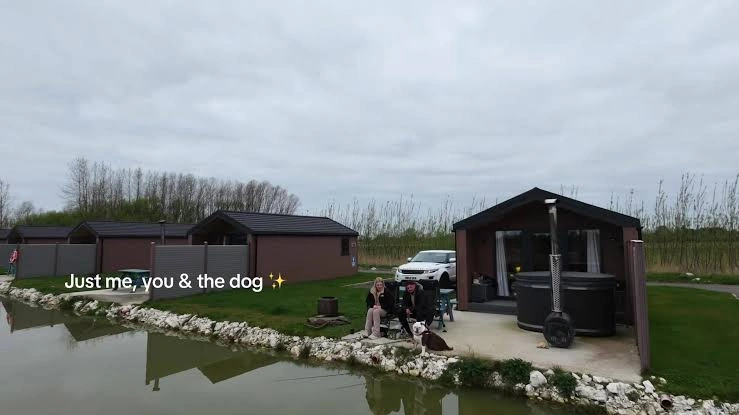
There is a particular pleasure in the slow escape — the stone cottage at the end of a lane, the morning with nowhere to be, the deliberate choice to let the days unspool at their own pace. It is the opposite of the frantic city break, and part of its charm is stepping back from the constant buzz of ordinary life. But even the most unplugged country getaway rests on a small foundation of connection — and getting that foundation right is what lets you relax into the slowness rather than fret at the edges of it.
Unplugged, but not stranded
Slow travel is not the same as being cut off. You still want to find the farm shop down the unmarked track, check whether the little restaurant is open on a Tuesday, translate a handwritten market sign, or send one photograph of the view to someone who would love it. The goal is not to be glued to a screen — it is to have the connection there quietly in the background when you reach for it, and then to put the phone down again. Arriving somewhere rural with no working data does not make a trip more romantic; it just adds a thread of low-grade stress to what should be a restful few days.
The gentle solution: sort it before you go
The easiest way to keep connection in its proper place — present but unobtrusive — is an eSIM, a digital data plan you install on your phone before you travel, so it simply works when you arrive. There is no scrambling for a local SIM, no roaming anxiety, nothing to manage once you are there. A travel eSIM service lets you buy a small, trip-sized plan in advance, so the practical side of the escape is handled before you ever turn down the lane to the cottage.
Portugal: slow living, beautifully done
Few places suit the unhurried escape like the Portuguese countryside — the quintas of the Alentejo, the terraced valleys of the Douro, the quiet villages where lunch lasts three hours and nobody is in a rush. Arriving with um eSIM para Portugal already installed means you can find the family-run tasca two villages over, follow a winding rural road without losing your way, and share a photo of the vines at golden hour — all without a plastic card or a moment’s fuss. The connection stays gently in the background, exactly where a slow trip wants it, ready when you need it and invisible when you don’t.
Keeping connection in its place
· Set up your data plan before you leave, so arriving somewhere remote never means arriving stranded.
· Keep your home number active for the calls and codes that matter, even off the beaten track.
· Download offline maps of the area — a gentle safety net where rural signal is patchy.
· Use the connection deliberately: find the thing, send the photo, then put the phone away.
· Buy only the modest data a slow trip needs — you will use far less than a city break.
Why rural signal is exactly where this helps
There is a counterintuitive point worth making about slow, rural trips specifically: the quieter and more remote the destination, the more a personal data plan earns its place. The cottage’s own Wi-Fi, if it exists at all, is often slow, unreliable, or confined to one corner of the sitting room. Public networks in small villages are scarce. And the places you will actually want to look something up — a farm shop down a track, a viewpoint at the top of a hill, a trailhead with no signage — are precisely the ones with no Wi-Fi for miles. A data plan that works across the whole area, installed before you arrive, is far more dependable than hoping the cottage router reaches the bedroom.
The trick is to pair it with a little offline preparation, so that even the patchiest rural signal never leaves you stuck. Download offline maps of the region before you go, save the addresses and details you will need, and let the data plan handle the live lookups — the opening hours, the translation, the message home — whenever you have a bar or two of signal. Between the two, you get the best of both worlds: enough connection to be practical and safe, without the constant tether that would defeat the purpose of a slow escape. It is not about being online all the time; it is about never being helplessly offline at the one moment you need a map or a phone number, deep in countryside where help is not close at hand.
The paradox of the restful trip
Here is the quiet paradox at the heart of the unplugged escape: a little preparation is what buys you the freedom to switch off. The traveller who has sorted the small practical things in advance — the connection, the map, the details — is the one who can actually let go once they arrive, because there is nothing left nagging at the back of their mind. The one who left it all to chance spends the first day of their restful getaway not resting at all, but wrestling with logistics in a place with poor signal and no easy help.
Rest, it turns out, is easier to reach when the groundwork is done. Handle the humble practicalities before you set off, and the slow escape can be exactly what it promises: unhurried, unbothered, and entirely yours. The cottage, the lane, the long quiet mornings — they are all the sweeter when the only thing you have to think about once you arrive is whether to take the walk before lunch or after. That is the whole point of going, and a little foresight is what protects it.
So pack light, plan little, and leave the days deliberately empty — but do sort the few small foundations that let the emptiness feel like freedom rather than uncertainty. A connection quietly in place is one of them, alongside a map that works offline and a rough sense of where the nearest village shop is. Get those handled before you turn off the main road, and the slow escape can be exactly the unbothered, unhurried stretch of days you went looking for. The cottage will still be there at the end of the lane; the only difference is whether you arrive ready to sink into the quiet, or spend your first restful morning wrestling with the practicalities you could have settled at home.
