Opple Cottage
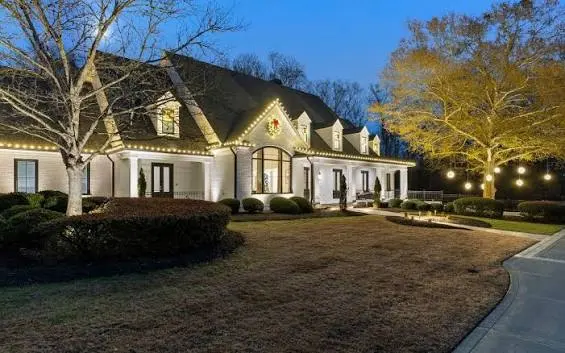
Most homeowners think about sealing only after they spot a problem: a crack spreading across the driveway, a stain on the garage ceiling, or rust streaks running down a shed wall. By then, water has usually been at work for a while. The hard surfaces around a home take constant punishment from sun, rain, freeze-thaw cycles and traffic, and a protective seal is what keeps that punishment from reaching the material underneath.
Here is a practical look at what needs sealing, how often, which products suit each surface and why the application method matters as much as the product itself.
Why hard surfaces need protection
Concrete looks solid, but it is porous. Water soaks into tiny capillaries, and when temperatures drop below freezing, that water expands. Repeated cycles cause scaling, where the top layer flakes off, and eventually spalling and cracking. De-icing salts make it worse by drawing in more moisture and attacking the surface. Oil, tire marks and organic stains also penetrate unsealed concrete and become difficult to remove.
Roofs and metal buildings face a different set of problems. Ultraviolet light breaks down roofing materials over time, seams and fasteners loosen with thermal movement, and any spot where water can sit becomes a future leak. On steel, a scratch in the factory finish is enough to start corrosion.
Concrete driveways and patios
Sealers for concrete generally fall into two families.
- Penetrating sealers, such as silane, siloxane and silicate products, soak into the concrete and react within the pores. They leave little or no visible film, keep the surface’s natural look and texture, and tend to last longer between applications. They suit driveways exposed to freeze-thaw cycles and road salt.
- Film-forming sealers, including acrylics, epoxies and polyurethanes, create a coating on top of the surface. They can deepen color and add sheen, which many people like on decorative or stamped patios. The tradeoff is that films wear in traffic areas and can become slippery when wet unless an anti-slip additive is used.
A quick way to check whether concrete needs attention is the water test. Sprinkle some water on the surface. If it beads up, the sealer is still working. If it darkens the concrete and soaks in quickly, it is time to reseal. Acrylic film sealers typically need renewal every few years, while penetrating sealers often last considerably longer, depending on traffic and climate.
Before sealing, fill cracks with a suitable concrete crack filler, clean off oil and organic growth, and let the surface dry thoroughly. Sealing over dirt or moisture traps problems rather than solving them.
Low-slope roofs
Porches, additions, garages and some modern homes have low-slope or “flat” roofs that drain slowly. Ponding water, blistered surfaces and open seams are common warning signs. Liquid-applied roof coatings, including acrylic, silicone, polyurethane and polyurea systems, can renew the waterproofing layer and extend the life of a sound roof without a full tear-off.
Light-colored coatings bring an added benefit. As the U.S. Department of Energy explains, cool roofs that reflect more sunlight stay cooler and can reduce the cooling load on the building below. For a garage apartment or sunroom that bakes in summer, that can make a noticeable difference in comfort.
A coating is not a fix for a roof with wet insulation or rotted decking. Those areas should be repaired first, and a roofer can use moisture testing to find them.
Metal outbuildings
Steel sheds, barns and shops tend to fail in the same places: fastener heads, overlapping panel seams, ridge caps and the bottom edges of wall panels where water and debris collect. Rust-inhibitive primer on bare spots, combined with an elastomeric coating over the roof, can stop leaks and slow corrosion. Elastomeric products stretch and recover as metal panels expand in the afternoon heat and contract at night, which helps them stay bonded over seams that would crack a rigid paint.
Spray-applied versus roll-on coatings
Many sealers and coatings can be rolled, brushed or sprayed. For a small patio or a single shed roof, rolling is practical and works well for a careful homeowner. On larger or more complex surfaces, spraying has some clear advantages:
- It reaches into texture, pores and the profile of corrugated metal more evenly than a roller.
- It produces a more consistent film thickness, which matters because thin spots fail first.
- It covers fasteners, seams and penetrations in a continuous layer without lap marks.
- It speeds up work on large areas, shortening the window in which weather can interfere.
Some high-performance systems, such as fast-curing polyurea, can only be applied with plural-component spray equipment and are installed by trained contractors. If you are comparing options for a large roof, a shop building or a heavily used driveway, it helps to read up on spray-applied seal coatings and how they differ from off-the-shelf products. The main drawback of spraying is overspray, so nearby cars, siding, windows and plants need to be masked or moved.
The cost of waiting
Sealing feels optional because nothing dramatic happens when you skip it. The damage builds quietly. A driveway left unsealed through several winters may need resurfacing or replacement instead of a simple coat of sealer. A small roof leak can soak insulation and decking long before a ceiling stain appears. A rusting seam on a metal building eventually turns into a hole that calls for a new panel. In each case, the repair costs far more than routine protection would have.
Building a simple maintenance routine
Walk your property each spring and fall. Do the water test on concrete, look for cracks and stains, check low-slope roofs for ponding and open seams, and inspect metal buildings for loose fasteners and rust spots. Keep notes on when each surface was last sealed and with what product. Matching the right sealer to each surface, and renewing it before it wears through, keeps a home’s hard surfaces working for years longer than they would on their own.