


Introduction
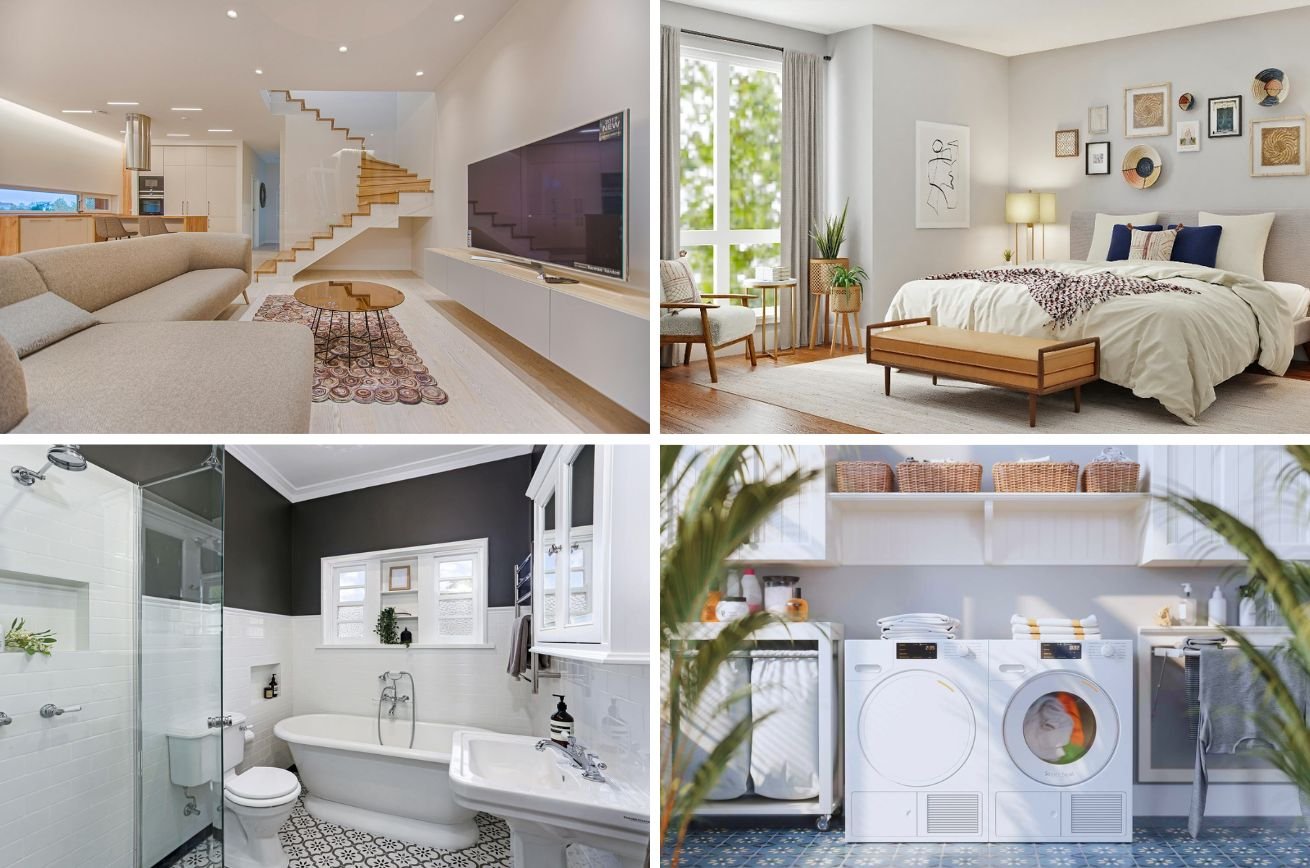
Every house reflects the personality and lifestyle of the people who live in it. Whether it’s a small apartment or a large family home, thoughtful planning of rooms can make daily life easier, more comfortable, and more enjoyable. In 2026, homes are designed not just for basic living, but also for flexibility, wellness, productivity, and relaxation. From classic spaces like living rooms and kitchens to modern additions such as home offices and hobby areas, each room serves a unique purpose.
This guide will walk you through 43 must‑have rooms in every house to help you imagine, plan, or improve your ideal living space. Whether you are building a new home or redesigning your current one, this list will inspire you to create a house that truly feels like a home.
Why Do You Need Different Types of Rooms in a House?
Every house serves as more than just a shelter—it is a place where people live, work, relax, and connect with family and friends. Different types of rooms in a house are essential because they organize daily life, enhance comfort, and support specific activities. For example, a kitchen is not just for cooking; it is where families often gather for meals and conversations. Similarly, bedrooms provide privacy and rest, while living rooms act as social spaces for entertaining guests or enjoying family time.
In 2026, the concept of rooms has evolved. Modern homes often include spaces like home offices, fitness rooms, and media rooms to accommodate remote work, health, and entertainment needs. Having distinct rooms allows for better organization, privacy, and functionality, making a house more than just a structure—it becomes a home designed to support your lifestyle and well-being.
Different Types of Rooms in Every House
Every house is made up of a variety of rooms, each serving a unique purpose. In 2026, home design focuses on comfort, efficiency, and versatility, ensuring that every space meets the needs of modern living. While some rooms are essential in every home, others enhance lifestyle, productivity, or leisure.
Some common types of rooms include:
1. Living Room
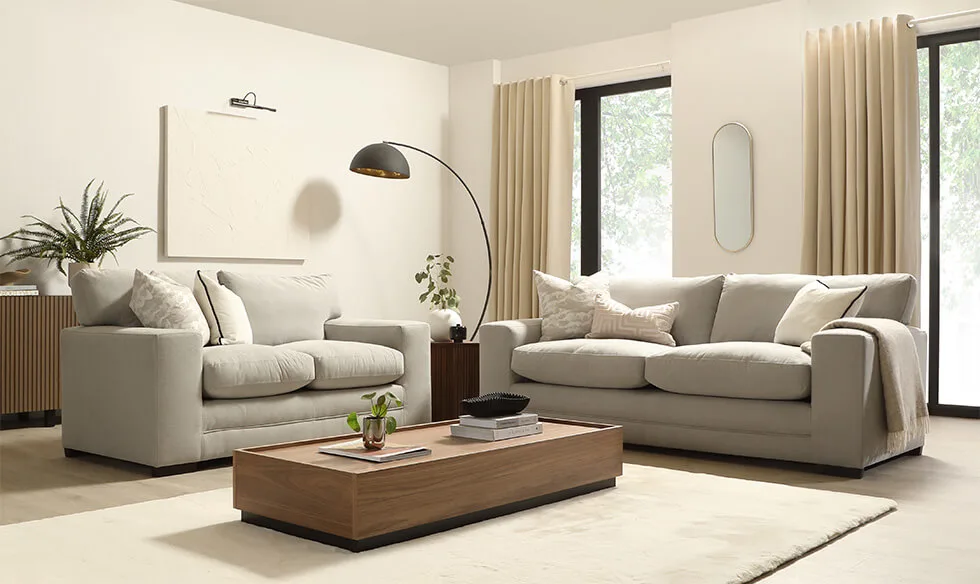
The living room is the heart of every house, where families relax, guests are welcomed, and memories are made. In 2026, living rooms are more than just spaces to sit—they are multifunctional hubs designed for comfort, style, and technology.
Key features of modern living rooms include:
- Flexible seating – Sectional sofas, modular chairs, and ottomans allow you to adjust seating for family movie nights or larger gatherings.
- Smart lighting – Adjustable LED lights and smart controls create moods for relaxation, reading, or entertaining.
- Entertainment setups – TVs, surround sound systems, streaming devices, and even gaming corners make the space versatile for leisure.
- Open layouts – Many homes in 2026 combine living rooms with dining or kitchen areas for a more spacious, airy feel.
- Decor and personalization – Rugs, wall art, indoor plants, and accent furniture make the room feel warm and inviting.
A well-designed living room enhances social interaction, encourages relaxation, and reflects the homeowner’s style. It’s the space that ties the house together, making it a must-have in every house.
2. Kitchen
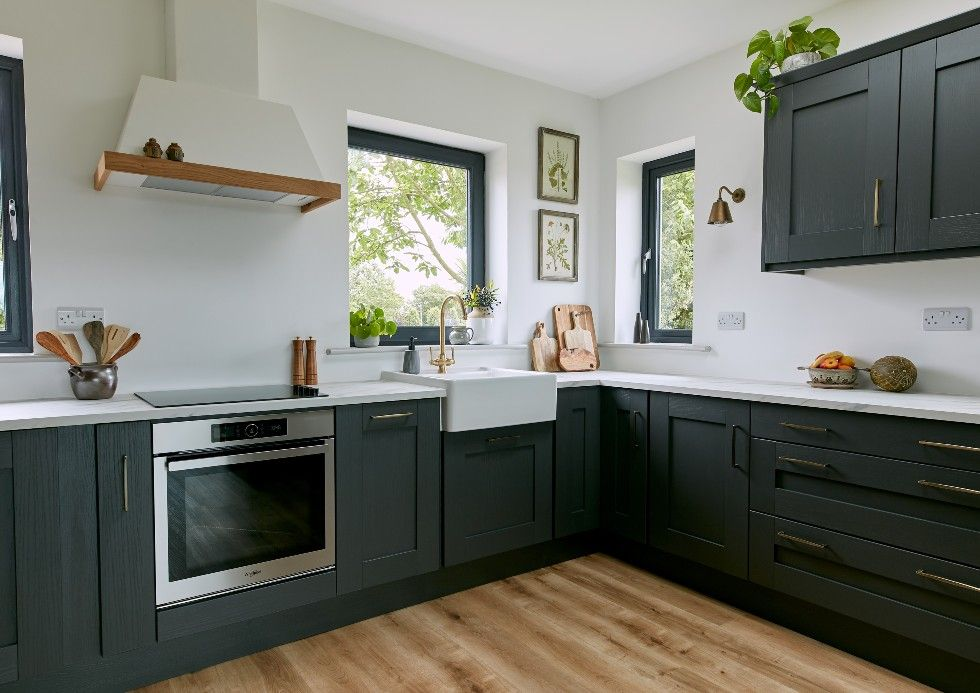
The kitchen is more than just a place to cook—it’s the heart of every house where meals, family bonding, and social interactions happen. In 2026, kitchens are designed to be functional, stylish, and tech-friendly, catering to modern lifestyles.
Key features of modern kitchens include:
- Smart appliances – Refrigerators, ovens, and dishwashers with smart controls for energy efficiency, convenience, and remote monitoring.
- Open-concept layouts – Many homes combine the kitchen with dining and living areas, creating a seamless flow and spacious feel.
- Storage solutions – Pull-out cabinets, pantry organizers, and hidden storage help keep countertops clutter-free.
- Sustainable design – Energy-efficient lighting, water-saving faucets, and eco-friendly materials are now common in modern kitchens.
- Multipurpose islands – Kitchen islands serve as prep areas, dining spaces, and even homework stations.
- Stylish finishes – Marble countertops, modern backsplashes, and contemporary cabinetry give the kitchen a polished, welcoming look.
A well-planned kitchen in 2026 is a hub for cooking, entertaining, and connecting with family, making it one of the most essential rooms in every house.
3. Bedroom
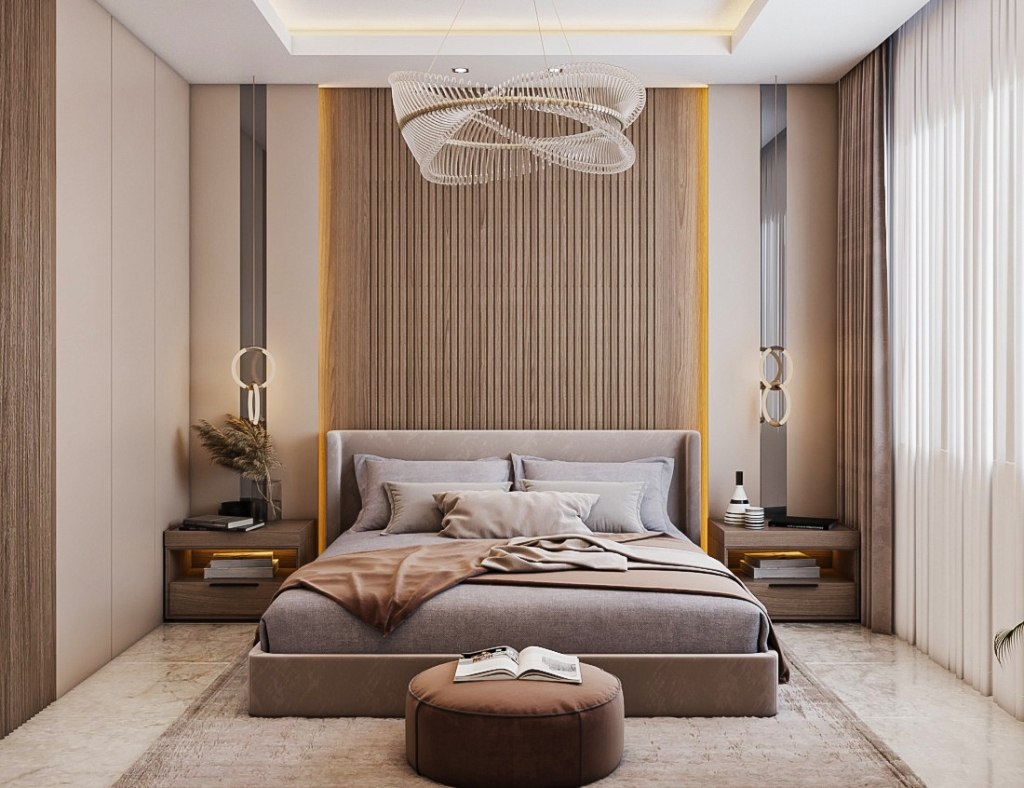
The bedroom is one of the most important rooms in every house, providing rest, privacy, and personal space. In 2026, bedrooms are designed not just for sleeping but also for relaxation, productivity, and comfort, reflecting modern lifestyle needs.
Key features of a modern bedroom include:
- Ergonomic beds and mattresses – Designed for better sleep and spinal support, often with memory foam or hybrid designs.
- Smart lighting and climate control – Adjustable lighting and temperature systems help create a cozy and personalized environment.
- Storage solutions – Built-in wardrobes, under-bed drawers, and walk-in closets maximize space while keeping the room organized.
- Work or study corners – Small desks or reading nooks are common for remote learning or light work.
- Aesthetic touches – Wall colors, artwork, rugs, and plants make the room calming and inviting.
- Wellness features – Some bedrooms include soundproofing, air purifiers, or aromatherapy diffusers for better sleep quality.
Bedrooms are more than just places to rest; they are personal retreats where you recharge and unwind. A thoughtfully designed bedroom contributes to both mental and physical well-being, making it a crucial room in every house.
4. Bathroom
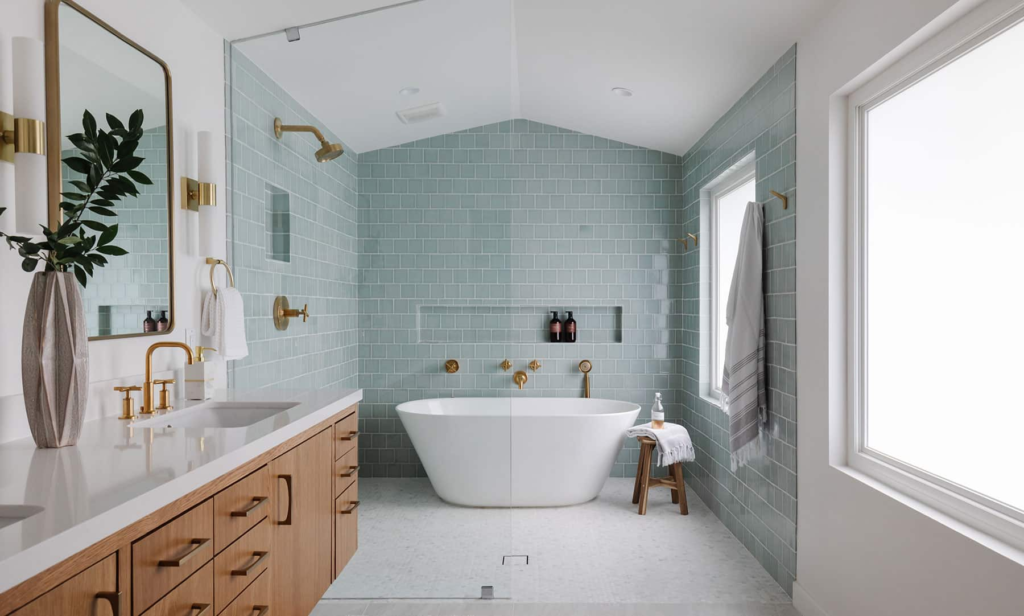
The bathroom is an essential room in every house, designed not just for hygiene but also for relaxation and comfort. In 2026, bathrooms are evolving into spa-like spaces that combine functionality, wellness, and modern design.
Key features of modern bathrooms include:
- Water-saving fixtures – Low-flow toilets, faucets, and showerheads reduce water usage without compromising performance.
- Spa-inspired amenities – Rain showers, freestanding bathtubs, heated floors, and steam options create a relaxing environment.
- Smart technology – Digital mirrors, touchless faucets, and humidity control improve convenience and hygiene.
- Storage and organization – Vanities, shelves, and built-in cabinets help keep toiletries and towels neatly arranged.
- Stylish materials – Durable and attractive tiles, natural stones, and waterproof surfaces make bathrooms both functional and aesthetically pleasing.
A well-designed bathroom enhances daily routines, promotes wellness, and adds value to a home. Whether it’s a small guest bathroom or a master suite, every house benefits from a bathroom that is efficient, comfortable, and modern.
5. Dining Room
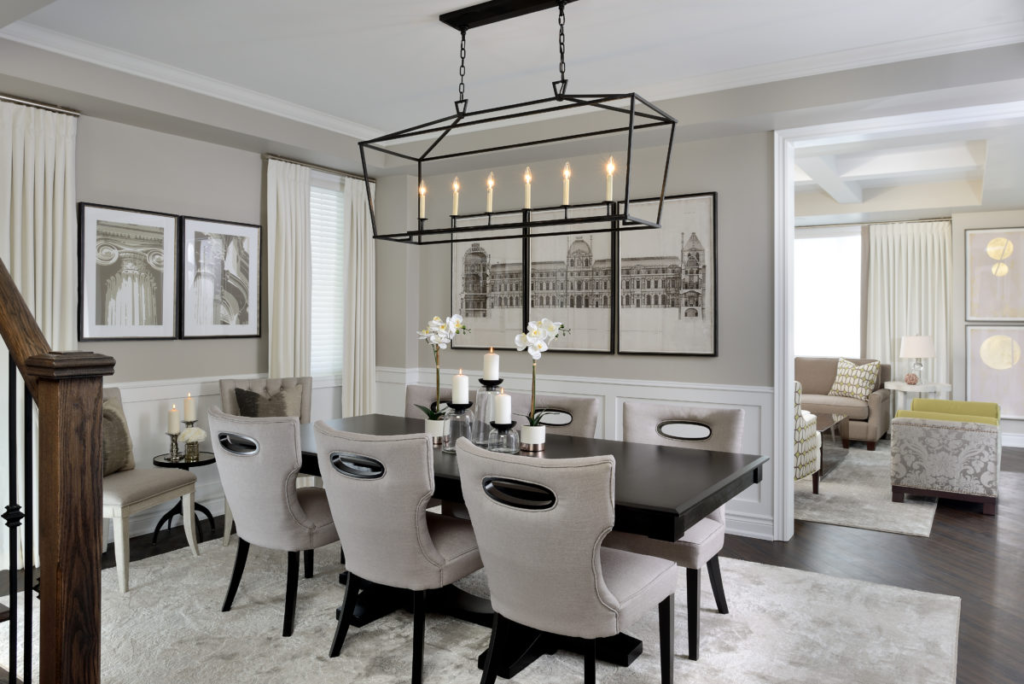
The dining room is a central space for sharing meals, celebrating special occasions, and enjoying family time. In 2026, dining rooms are designed to be both functional and stylish, creating an inviting atmosphere for daily meals or entertaining guests.
Key features of a modern dining room include:
- Flexible layouts – Extendable tables and modular seating allow the space to accommodate both small family meals and larger gatherings.
- Smart lighting – Adjustable lights, chandeliers, or accent lamps help set the perfect mood for breakfast, dinner, or festive occasions.
- Multi-use space – Some dining rooms now double as homework areas, craft zones, or meeting spaces for remote work.
- Ergonomic furniture – Comfortable chairs and well-sized tables make long dinners or family game nights more enjoyable.
- Decor and ambiance – Accent walls, artwork, rugs, and indoor plants make the room feel warm, elegant, and personalized.
A well-designed dining room enhances social interaction, makes every meal more enjoyable, and adds value to your home. For families and hosts, it is a must-have room in every house, providing both function and style in one space.
6. Home Office
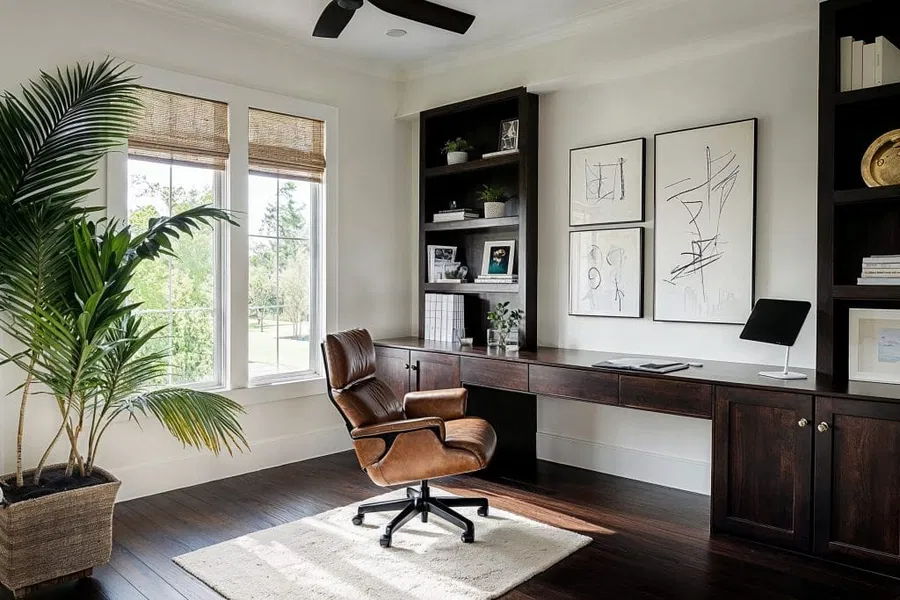
In 2026, the home office has become one of the most essential rooms in every house. With remote work, online learning, and digital entrepreneurship becoming more common, having a dedicated workspace at home is no longer a luxury—it’s a necessity.
Key features of a modern home office include:
- Ergonomic furniture – Adjustable chairs, desks, and keyboard setups help maintain comfort and prevent strain during long work hours.
- High-speed internet and tech setup – Reliable Wi-Fi, multiple monitors, and charging stations support productivity and online meetings.
- Soundproofing and privacy – Quiet spaces, partitions, or acoustic panels help reduce distractions, ensuring focus and efficiency.
- Organization and storage – Shelves, filing cabinets, and cable management solutions keep the office neat and clutter-free.
- Natural light and greenery – Windows, desk lamps, and indoor plants improve mood, focus, and creativity.
A home office in every house supports productivity, work-life balance, and learning opportunities. By 2026, homeowners are designing offices that are both functional and stylish, blending seamlessly with the rest of the home while providing a dedicated area for focus and growth.
7. Laundry Room
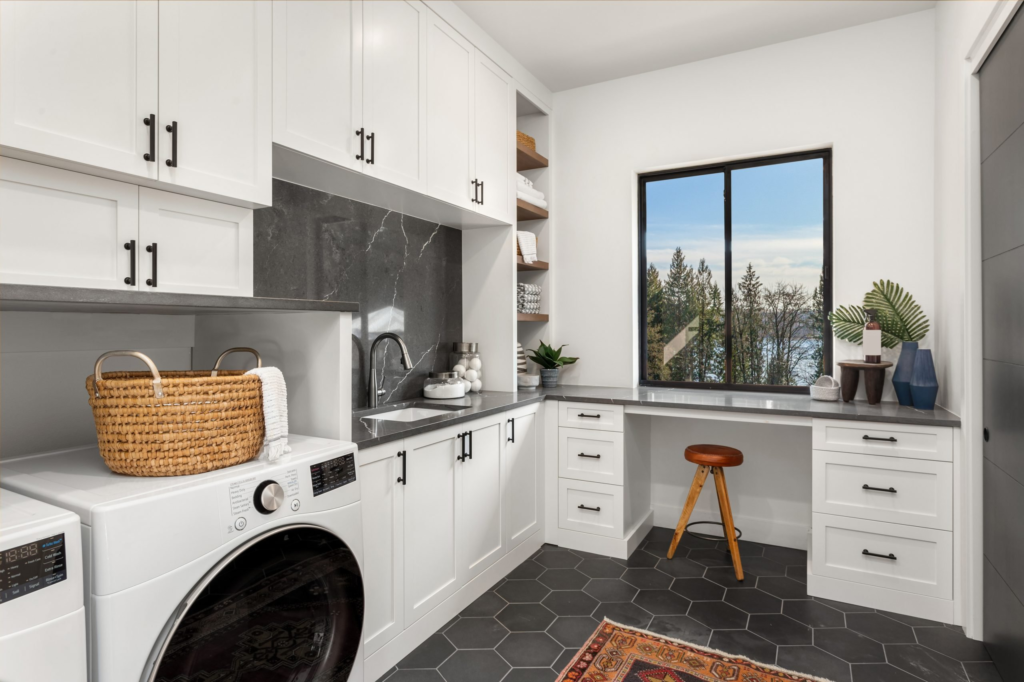
The laundry room is an essential part of every house, providing a dedicated space for washing, drying, and organizing clothes. In 2026, laundry rooms are designed to be highly functional, organized, and even stylish, turning a traditionally utilitarian space into a practical and convenient area.
Key features of modern laundry rooms include:
- Energy-efficient appliances – Front-loading washers and dryers use less water and electricity, saving both money and resources.
- Smart technology – Some machines can be controlled via smartphones to schedule cycles, get maintenance alerts, and monitor energy use.
- Ample storage – Cabinets, shelves, and folding counters help keep detergents, baskets, and ironing supplies organized.
- Folding and sorting areas – Dedicated surfaces for folding clothes and sorting laundry improve efficiency.
- Multi-purpose space – Some homes integrate laundry rooms with mudrooms or pet areas, maximizing functionality.
- Good ventilation and lighting – Proper airflow and bright lighting make chores easier and maintain a fresh, clean environment.
A well-planned laundry room simplifies household chores, saves time, and keeps the rest of the house tidy. In 2026, homeowners prioritize efficiency, sustainability, and convenience, making the laundry room a must-have in every house.
8. Entryway or Hallway
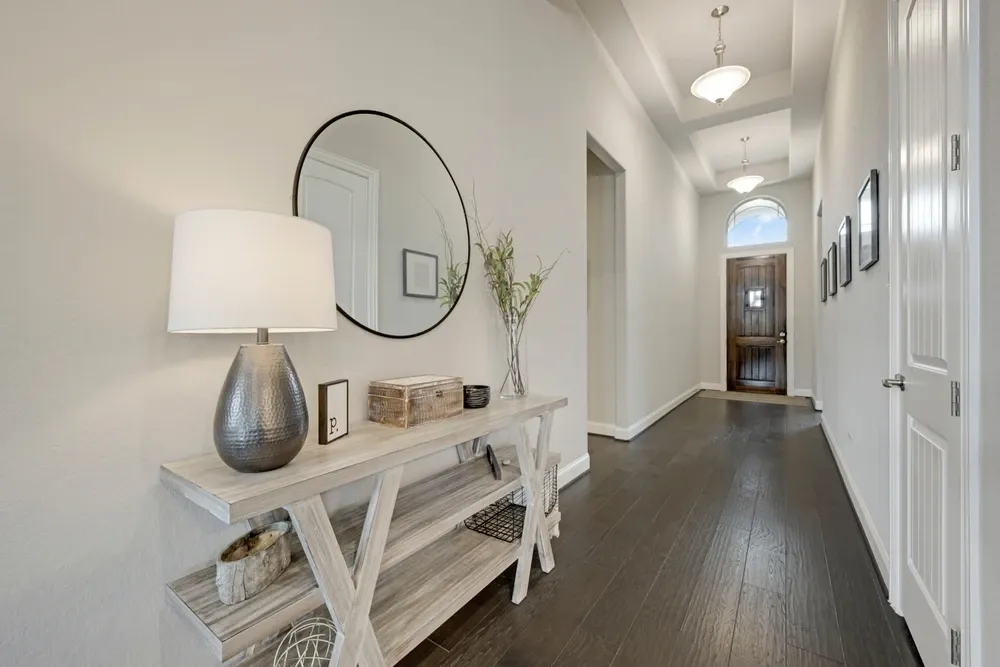
The entryway or hallway is the first impression of every house. It serves as a transition space between the outdoors and the home’s interior, welcoming guests while offering functionality for residents. In 2026, these spaces are designed to be both practical and stylish.
Key features of modern entryways and hallways include:
- Storage solutions – Built-in cabinets, shoe racks, coat hooks, and benches help keep the space organized and clutter-free.
- Smart lighting – Motion-sensor lights make it easier to navigate, especially in the dark, while adding a modern touch.
- Decor elements – Mirrors, artwork, and statement rugs create an inviting atmosphere and visually expand the space.
- Safety and accessibility – Wider hallways and non-slip flooring are prioritized for safety, especially in homes with children or elderly members.
- Functional design – Some entryways include small seating areas, umbrella stands, or charging stations for devices, combining style with utility.
A well-planned entryway or hallway sets the tone for the rest of the house. It ensures a smooth transition from outside to inside and provides a welcoming space that is both practical and beautiful, making it an essential part of every house in 2026.
9. Family Room
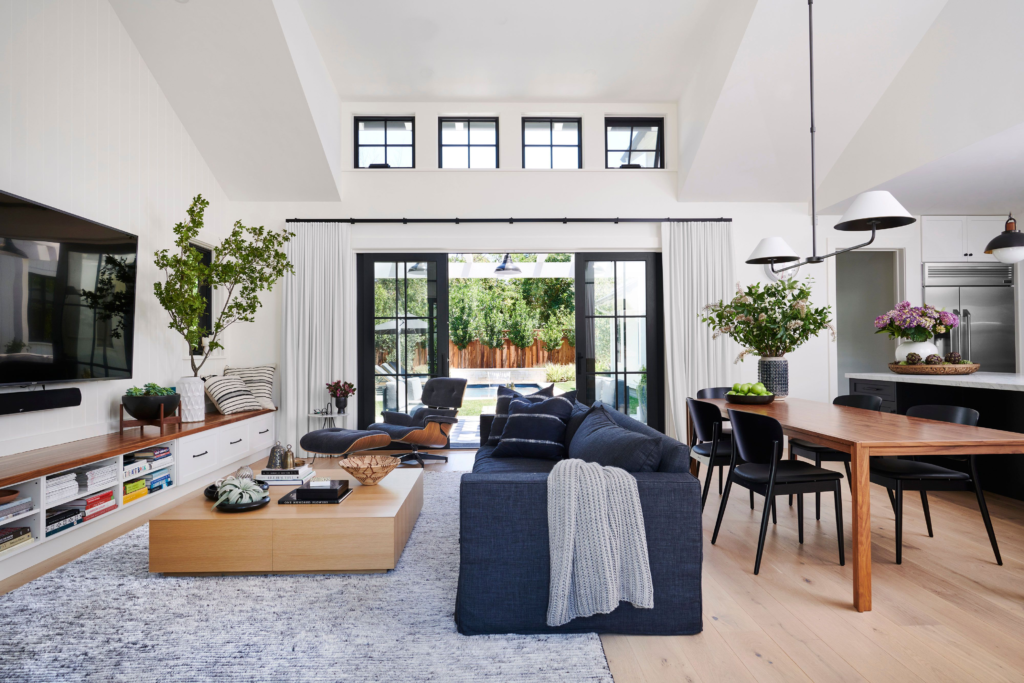
The family room is a cozy, informal space designed for everyday living, making it one of the most important rooms in every house. Unlike the living room, which often caters to guests, the family room is a private retreat for family activities, bonding, and relaxation.
In 2026, family rooms are evolving to meet modern needs:
- Entertainment hubs – Equipped with large-screen TVs, gaming consoles, and sound systems for movies, sports, or video games.
- Comfort-focused furniture – Plush sofas, recliners, and sectional seating ensure everyone can relax comfortably.
- Flexible layouts – Open spaces that allow kids to play, adults to work, or families to gather for hobbies.
- Tech-friendly designs – Charging stations, smart speakers, and Wi-Fi connectivity are now common features.
- Multipurpose use – Some family rooms double as reading corners, mini home theaters, or study areas.
A thoughtfully designed family room enhances family life, providing a safe, welcoming space for shared experiences. In 2026, families prioritize functionality, comfort, and adaptability, making this room a central part of every house.
10. Basement
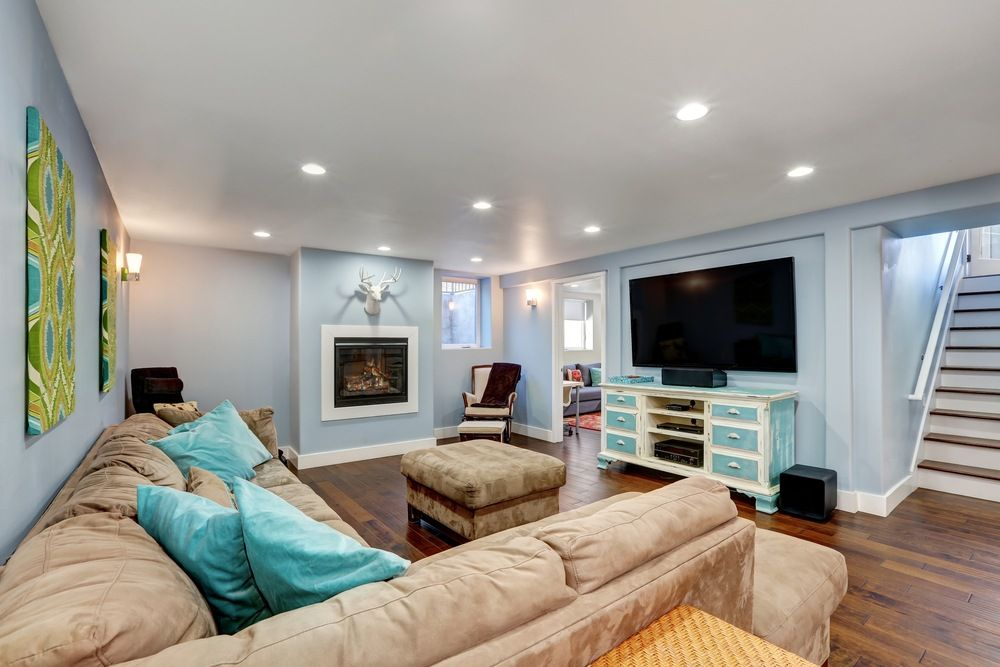
A basement is a space built below the main level of a house and is one of the most valuable rooms in every house, especially in 2026. Traditionally used for storage or utilities, basements have become flexible and useful living areas that can serve many different purposes.
In modern homes, basements are often designed to:
- Add extra living space — Many homeowners turn basements into family rooms, play areas, or guest bedrooms.
- Create entertainment zones — With a home theater, games area, or music space, basements become perfect for fun and relaxation.
- Include fitness or hobby spaces — People use basements for home gyms, art studios, or workshops where they can focus on hobbies.
- Provide practical rooms — Basements can house laundry rooms, storage areas, or utility rooms while keeping the upper floors clutter‑free.
- Be energy efficient and comfortable — Improved insulation, proper ventilation, and waterproofing ensure basements stay dry, warm, and comfortable year‑round.
Because basements are partially underground, they stay cooler in summer and warmer in winter, which can help save on energy costs. A well‑planned basement increases usable space in every house and provides flexibility for changing family needs.
11. Attic
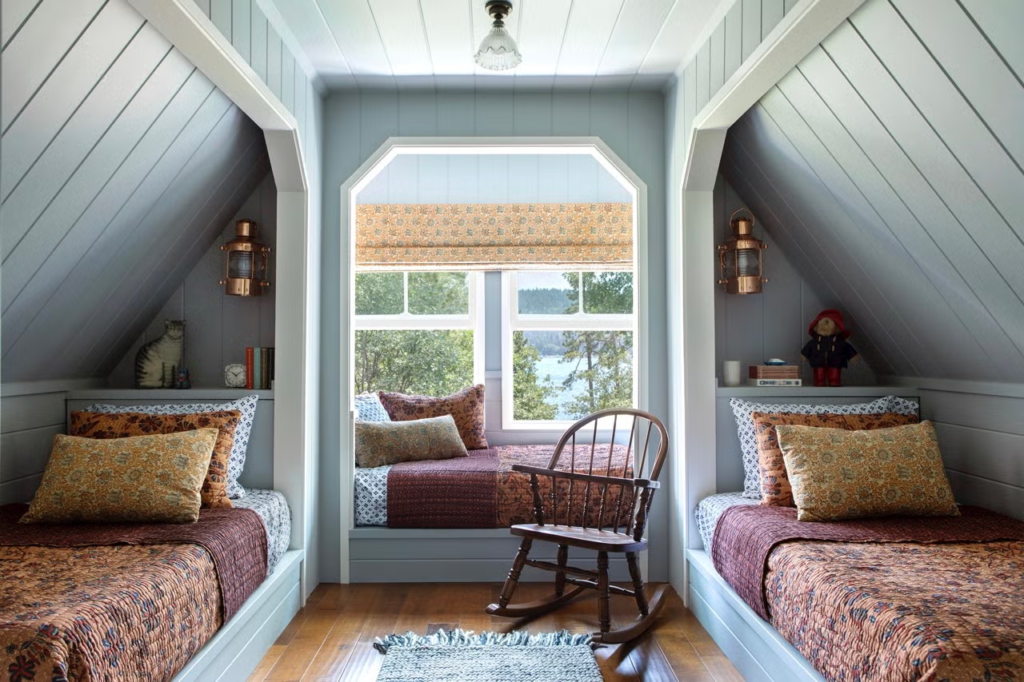
An attic is the space located directly under the roof of a house. In many homes, this area was once unused or only used for storing old items, but in 2026, attics are seen as valuable parts of every house rather than just empty spaces. They can improve both the functionality and appearance of a home.
Here’s why having an attic is beneficial:
- Extra space for different uses: Attics are flexible and can be turned into storage areas, cozy bedrooms, an entertainment room, a home gym, or a reading nook, depending on your family’s needs.
- Better temperature control: Because the attic sits right under the roof, it can help reduce heat entering the rest of the house in summer and act as insulation in colder months. This improves overall comfort inside the home.
- Adds value to the house: A well‑designed attic can increase the market value of your home and even be used as a small rental space if converted into a livable room.
- Architectural character: With elements like skylights, dormer windows, exposed beams, or smart lighting, attics can become eye‑catching design features that make your house look more attractive.
Today, attics are no longer just dark, unused corners. With smart planning and design, they can become some of the most functional and unique areas in every house.
12. Pantry
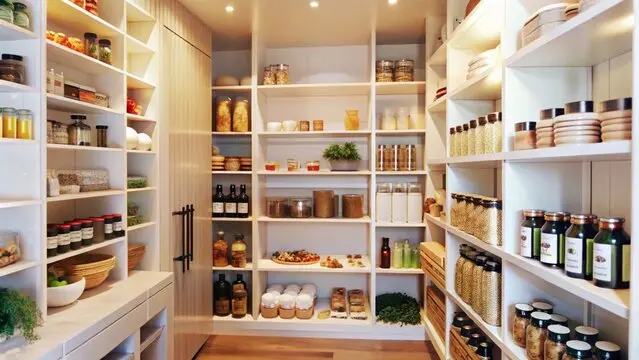
A pantry is a dedicated storage area for food, kitchen supplies, and non‑perishable items, and it has become an essential room in every house. In 2026, pantries are no longer just simple shelves hidden behind a door—many are organized, efficient, and designed to support modern lifestyles.
Key features of a modern pantry include:
- Custom shelving and storage systems that make it easy to see and reach items, reducing food waste.
- Adjustable lighting so you can find ingredients quickly, even in deep shelves.
- Climate‑controlled sections for items that need cooler or dryer conditions, helping preserve freshness longer.
- Clear containers and labels that keep everything tidy and make it easy for family members to stay organized.
- Space for small appliances like extra mixers, slow cookers, or air fryers, freeing up kitchen counters.
A well‑planned pantry keeps your kitchen clutter‑free, helps you shop smarter, and makes meal preparation faster and more enjoyable. Whether your home has a walk‑in pantry or a compact built‑in unit, this room adds convenience, storage space, and value to every house.
13. Garage
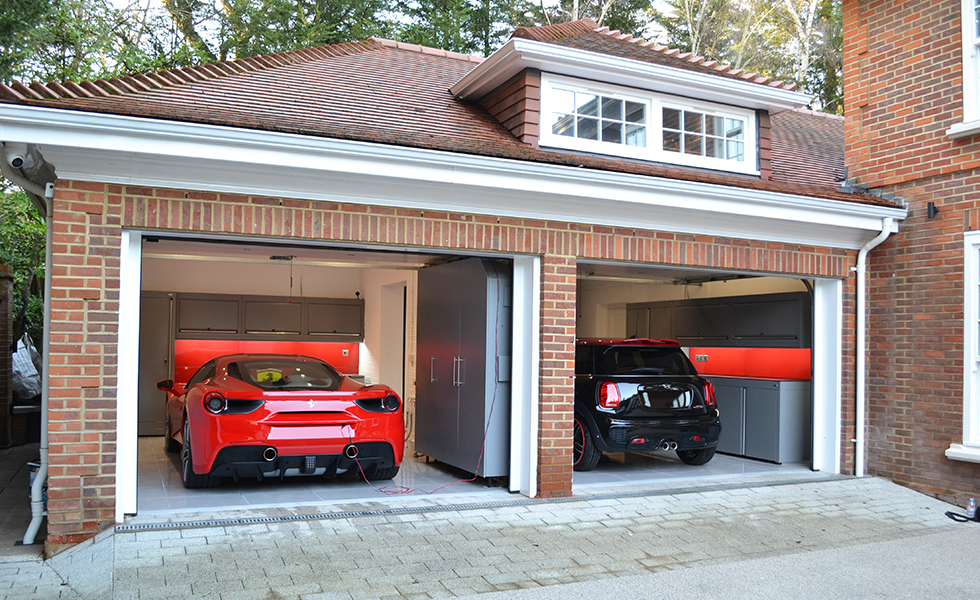
A garage is an essential room in every house, serving as more than just a place to park vehicles. In 2026, garages are designed for functionality, storage, and even lifestyle use, reflecting modern homeowners’ needs.
Key aspects of a modern garage include:
- Vehicle storage and protection – Safely stores cars, motorcycles, or bicycles, protecting them from weather and potential damage.
- Organized storage space – Shelving units, cabinets, and overhead racks help keep tools, seasonal items, and sports equipment neatly arranged.
- Workshop or hobby area – Many garages now double as spaces for DIY projects, woodworking, or car maintenance.
- Smart technology – Automated garage doors, smart lighting, and climate control systems enhance convenience and security.
- Energy efficiency – Insulated doors and ventilation systems help maintain temperature, making the space usable year-round.
A well-planned garage adds value, convenience, and versatility to a home. Whether used for parking, storage, or hobbies, it is a vital part of every modern house, blending practicality with innovation.
14. Mudroom
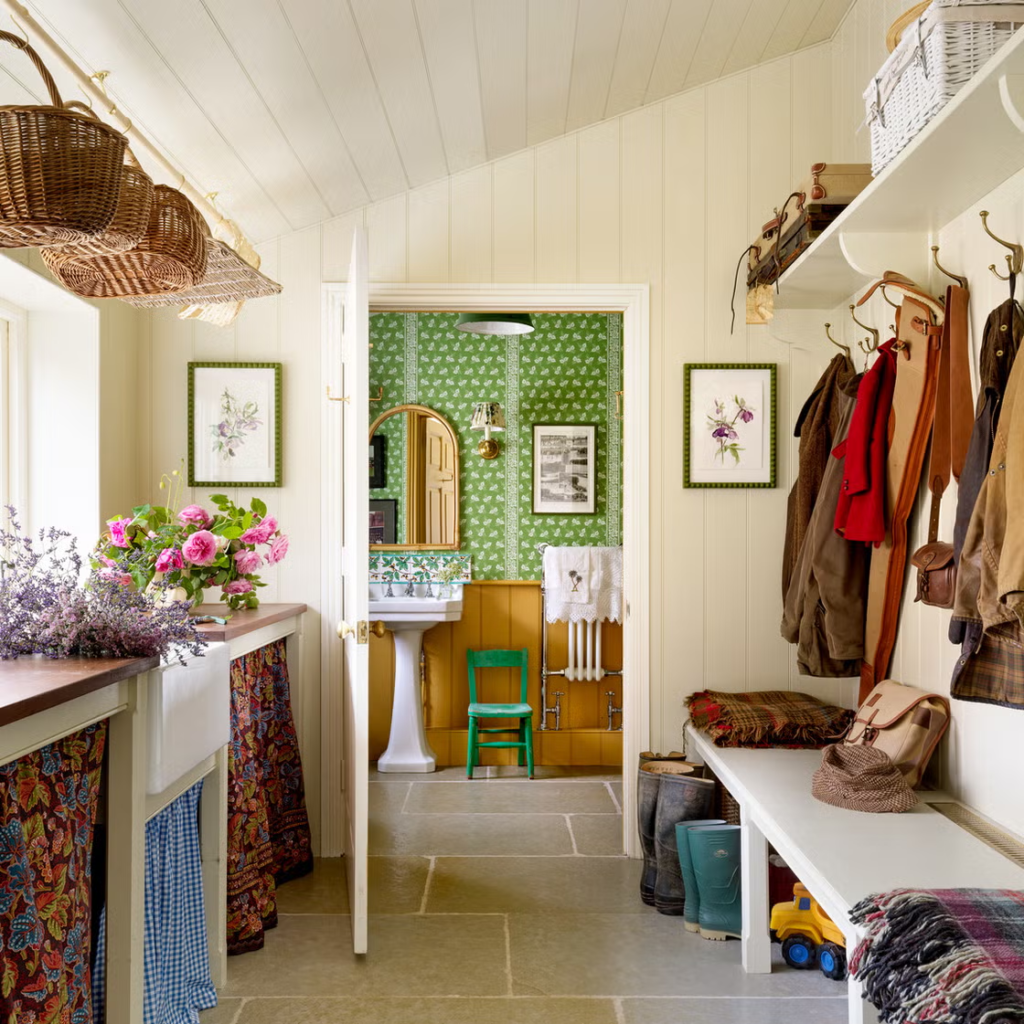
A mudroom is a practical and often overlooked space in every house. It acts as a transition area between the outdoors and indoors, helping keep the rest of the home clean and organized. In 2026, mudrooms are designed for both functionality and style, making them a must-have in modern homes.
Key features of a modern mudroom include:
- Storage solutions – Cubbies, hooks, and shelves for shoes, coats, bags, and sports gear.
- Durable flooring – Tile, waterproof vinyl, or other easy-to-clean surfaces that can handle mud, snow, and spills.
- Seating area – Benches with storage underneath make it easier to put on or take off shoes.
- Pet-friendly features – Pet washing stations or hooks for leashes and supplies are becoming popular in 2026 homes.
- Smart organization – Built-in charging stations for devices, drop zones for keys, and mail sorting areas help maintain a clutter-free home.
Mudrooms not only protect your living spaces from dirt and clutter but also provide a functional and welcoming entry point for family members and guests. They are increasingly recognized as essential for keeping a home organized and efficient in modern lifestyles.
15. Guest Room
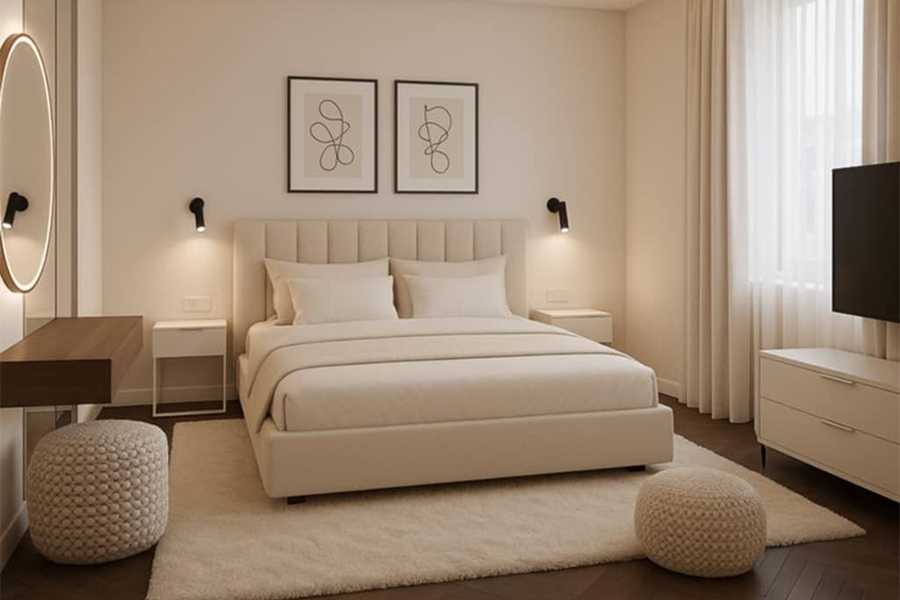
A guest room is an important addition in every house, providing visitors with a comfortable and private space. In 2026, guest rooms are designed not only for occasional stays but also for flexibility, often doubling as a home office, hobby room, or reading corner when not occupied.
Key features of a modern guest room include:
- Comfortable bedding – High-quality mattresses, pillows, and linens ensure guests get a restful sleep.
- Storage space – Closets, dressers, or under-bed storage for personal belongings.
- Work or study area – A small desk or workspace caters to guests who may need to work remotely.
- Modern amenities – Charging stations, Wi-Fi access, and good lighting for convenience.
- Decor and ambiance – Neutral colors, cozy rugs, and plants create a welcoming atmosphere.
Having a dedicated guest room in every house shows hospitality and thoughtfulness. It ensures visitors feel valued while giving homeowners the flexibility to use the space for other purposes when it’s not needed.
16. Master Bedroom
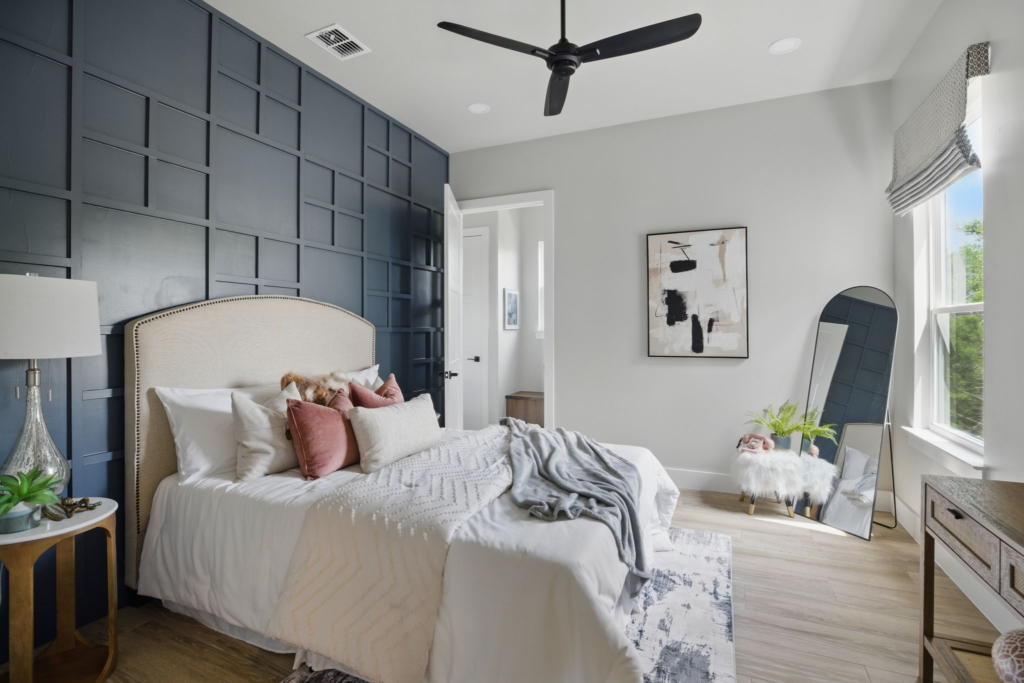
The master bedroom is the primary retreat in every house, designed for rest, privacy, and comfort. In 2026, homeowners are prioritizing bedrooms that are not only cozy but also functional, stylish, and supportive of wellness.
Key features of a modern master bedroom include:
- Spacious Layout – Enough room for a king-sized bed, bedside tables, and seating areas like a reading nook or small sofa.
- Smart Lighting and Climate Control – Adjustable lighting, automated curtains, and temperature controls create a relaxing atmosphere and improve sleep quality.
- Integrated Storage – Walk-in closets, built-in wardrobes, and under-bed storage keep the space organized and clutter-free.
- En-suite Bathroom – Many master bedrooms include attached bathrooms with modern fixtures, walk-in showers, and spa-like amenities.
- Tech-Friendly Design – USB charging ports, smart speakers, and discreet entertainment setups allow convenience without compromising aesthetics.
- Calming Décor – Neutral colors, soft textures, and natural elements like plants or wood accents contribute to a serene environment.
The master bedroom in 2026 is more than just a sleeping area—it is a personal sanctuary. Proper design enhances relaxation, privacy, and overall well-being, making it an essential room in every house.
17. Children’s Bedroom
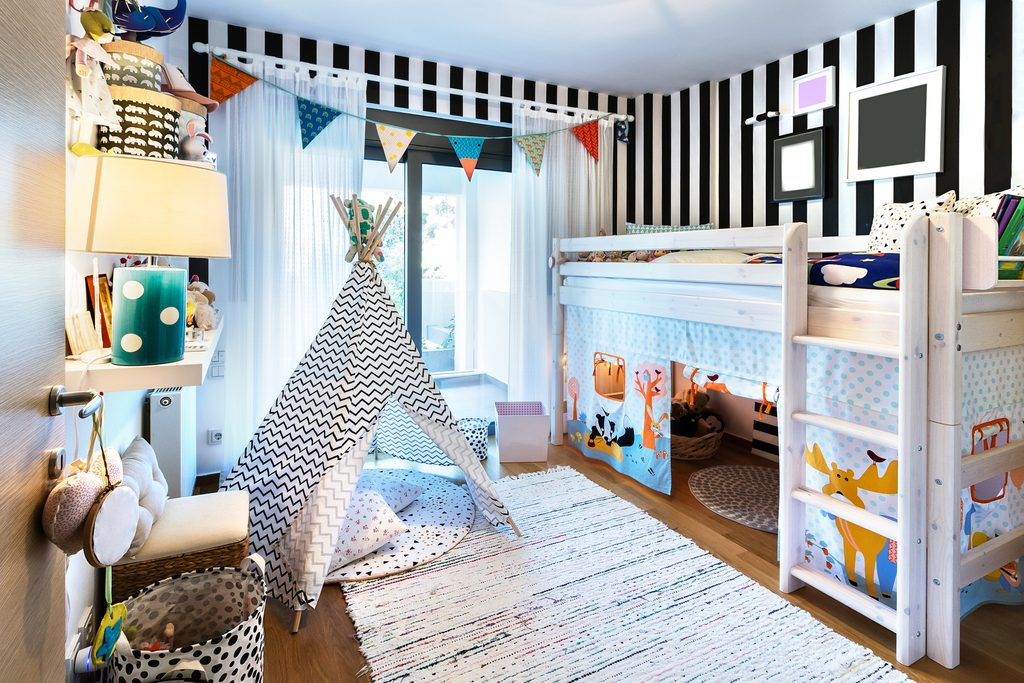
A children’s bedroom is more than just a place to sleep—it’s a space for learning, playing, and growing. In 2026, these rooms are designed to adapt to a child’s changing needs, combining comfort, safety, and creativity.
Key features of modern children’s bedrooms include:
- Functional furniture – Beds with storage drawers, desks for homework, and shelves for toys keep the room organized.
- Flexible design – Modular furniture and adjustable shelving allow the room to grow with the child.
- Play areas – Open floor space or small play zones encourage imagination and active play.
- Study corners – A dedicated desk or reading nook supports learning and concentration, especially with remote learning becoming common.
- Safety and comfort – Rounded furniture edges, non-toxic paints, and proper lighting ensure the child’s safety and well-being.
- Personalization – Wall decals, colors, and themed décor allow children to express their personality.
In 2026, a children’s bedroom is considered essential in every house not only for rest but also for nurturing creativity, independence, and a sense of ownership. A thoughtfully designed children’s bedroom supports growth and makes daily life enjoyable for both kids and parents.
18. Playroom
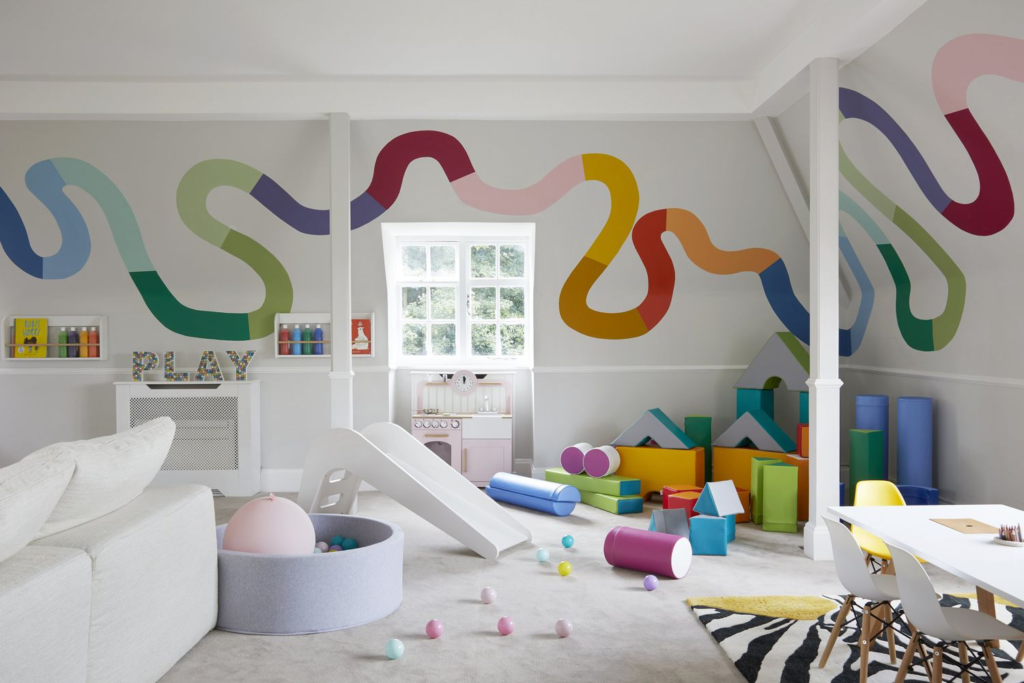
A playroom is a dedicated space where children can have fun, explore, and learn safely. In 2026, playrooms are designed not only for entertainment but also to support development, creativity, and organization. Every house benefits from having a space where kids can play freely without cluttering other areas.
Key features of a modern playroom include:
- Safe and soft flooring – Foam mats, rugs, or cushioned floors reduce the risk of injury while playing.
- Storage solutions – Shelves, bins, and cubbies help keep toys, books, and games organized.
- Creative zones – Areas for drawing, building, or crafting encourage imagination and learning.
- Technology integration – Some playrooms include educational tablets, interactive games, or kid-friendly media systems.
- Flexible design – Furniture and layouts that grow with children, from toddlers to teens.
A playroom provides children with a private space to explore and play, while parents can maintain order in the rest of the house. In 2026, families prioritize safety, creativity, and adaptability when designing this fun and functional space, making it a must-have in every house with kids.
19. Media Room or Home Theater
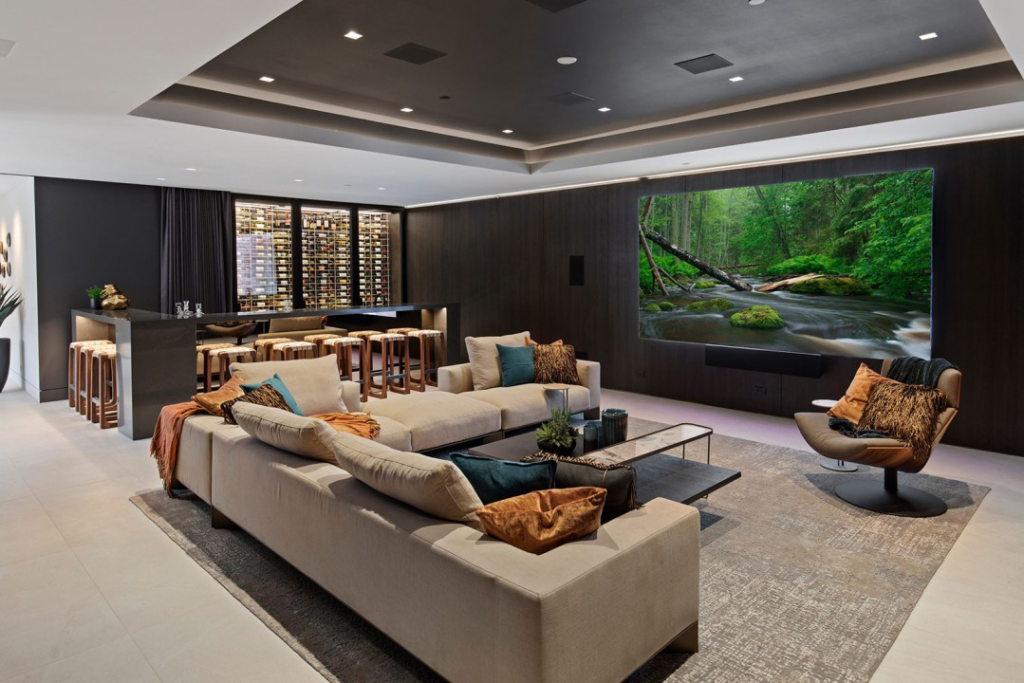
A media room, also known as a home theater, is becoming an increasingly popular feature in modern homes. In 2026, homeowners are investing in dedicated spaces for entertainment, gaming, and immersive movie experiences, turning every house into a personal cinema.
Key features of a modern media room include:
- High-definition screens and projectors – Ultra HD TVs or ceiling-mounted projectors provide a cinematic experience right at home.
- Surround sound systems – Advanced audio setups create theater-like sound quality for movies, music, and games.
- Comfortable seating – Recliners, theater-style chairs, or sectional sofas ensure maximum comfort during long viewing sessions.
- Acoustic enhancements – Soundproof walls and acoustic panels improve audio clarity and prevent noise from disturbing other rooms.
- Smart controls – Remote or app-based controls for lighting, sound, and media make it easy to adjust the environment without leaving your seat.
- Ambient lighting – LED strips, dimmable lights, or backlighting enhance the mood and cinematic feel.
Adding a media room not only boosts the entertainment value of a home but also increases its modern appeal. It’s an ideal space for family bonding, movie nights, or even hosting friends, making it a must-have room in every house in 2026.
20. Library
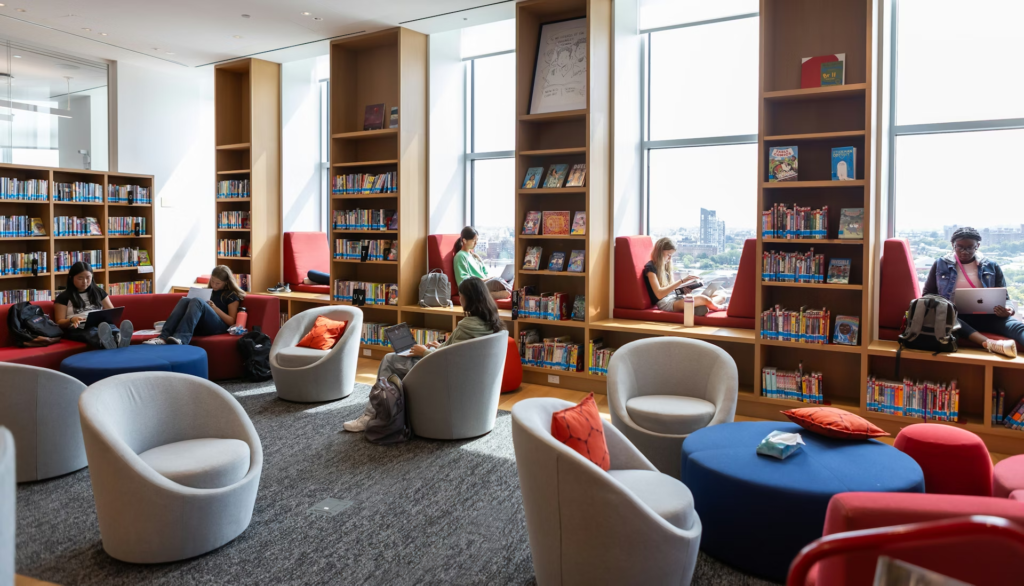
A library is no longer just a room full of books—it’s a quiet retreat for reading, studying, or working. In 2026, having a dedicated library in every house is becoming more popular, especially for families who value learning, focus, and a calm environment.
Modern home libraries often include:
- Custom bookshelves – Floor-to-ceiling shelves or built-in units maximize space and display books beautifully.
- Comfortable seating – Ergonomic chairs, cozy armchairs, or even small sofas create a perfect reading nook.
- Smart lighting – Adjustable reading lights and natural light sources reduce eye strain and enhance comfort.
- Tech integration – Digital cataloging, e-readers, and quiet workstations allow for both traditional and modern reading experiences.
- Soundproofing – To maintain peace, libraries often include soundproof walls or panels for a quiet atmosphere.
A library adds intellectual value and a sense of tranquility to a home. It’s a space where family members can learn, reflect, and enjoy solitude, making it an essential addition to every house in 2026.
21. Study Room
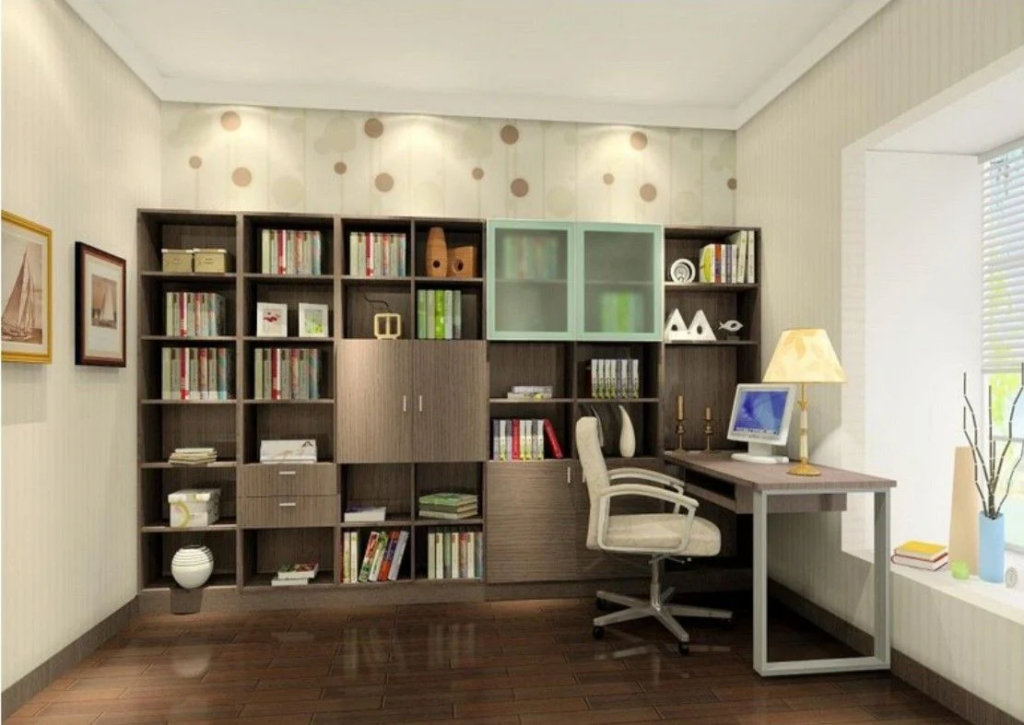
A study room is an essential space in every house, especially for families with students or professionals working from home. In 2026, study rooms are designed to be quiet, organized, and technology-friendly, providing the perfect environment for focus and productivity.
Key features of modern study rooms include:
- Ergonomic furniture – Adjustable chairs and desks help maintain good posture during long hours of work or study.
- Smart lighting – Bright, adjustable lighting reduces eye strain and improves concentration.
- Storage solutions – Shelves, cabinets, and organizers keep books, documents, and supplies neatly arranged.
- Technology integration – High-speed internet, charging stations, and computer setups make it easy to work efficiently.
- Quiet and peaceful atmosphere – Soundproofing or strategic room placement ensures minimal distractions.
- Flexible design – Some homes use multipurpose spaces that can switch between study, office, or creative areas.
A dedicated study room supports learning, creativity, and remote work. In 2026, it is considered a must-have room in every house because it allows family members to focus, organize tasks, and achieve their personal or professional goals.
22. Sunroom
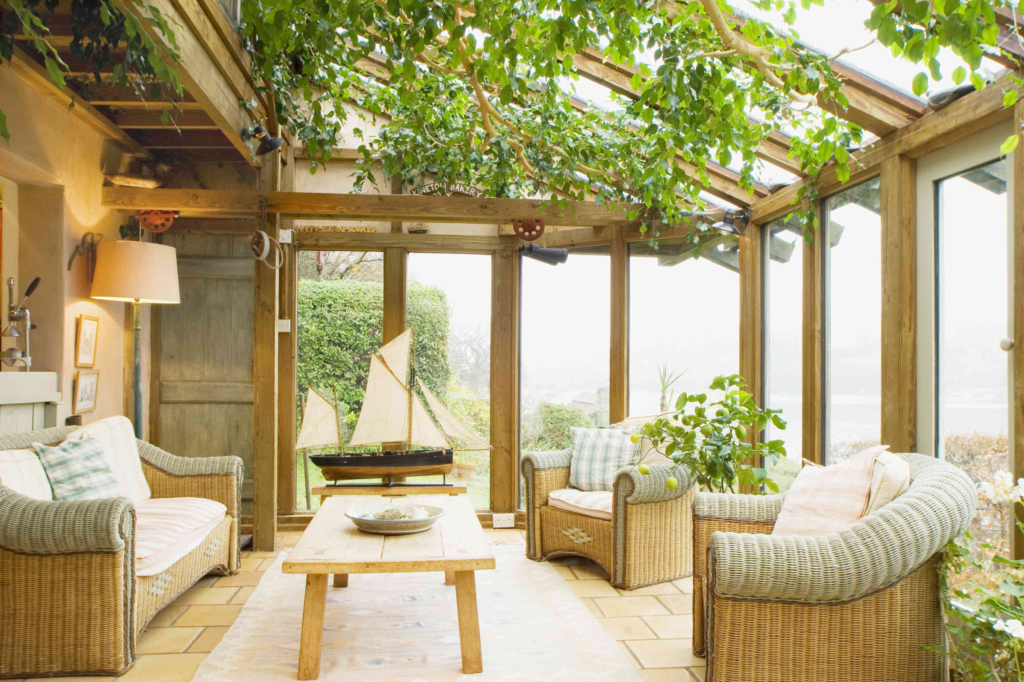
A sunroom is a bright, glass‑enclosed space designed to bring natural light into your home while protecting you from the elements. In 2026, sunrooms are increasingly popular because they offer a peaceful place to relax, read, enjoy plants, or simply soak up sunlight without being outside.
Modern sunrooms often include:
- Large windows or glass walls that let in maximum sunlight and offer views of the garden or outdoors.
- Comfortable seating like cushioned chairs, loungers, or even a small sofa to make the space inviting.
- Climate control options such as ceiling fans, shades, or insulated glass so the room is comfortable year‑round.
- Indoor plants and greenery, turning the sunroom into a mini‑garden for fresh air and calm vibes.
- Flexible uses — it can be used as a reading nook, breakfast area, yoga space, or even a casual workspace.
A sunroom adds value to every house by improving your connection to nature, increasing natural light, and creating a tranquil spot to unwind. It’s a lovely blend of indoor comfort and outdoor living.
23. Walk-in Closet
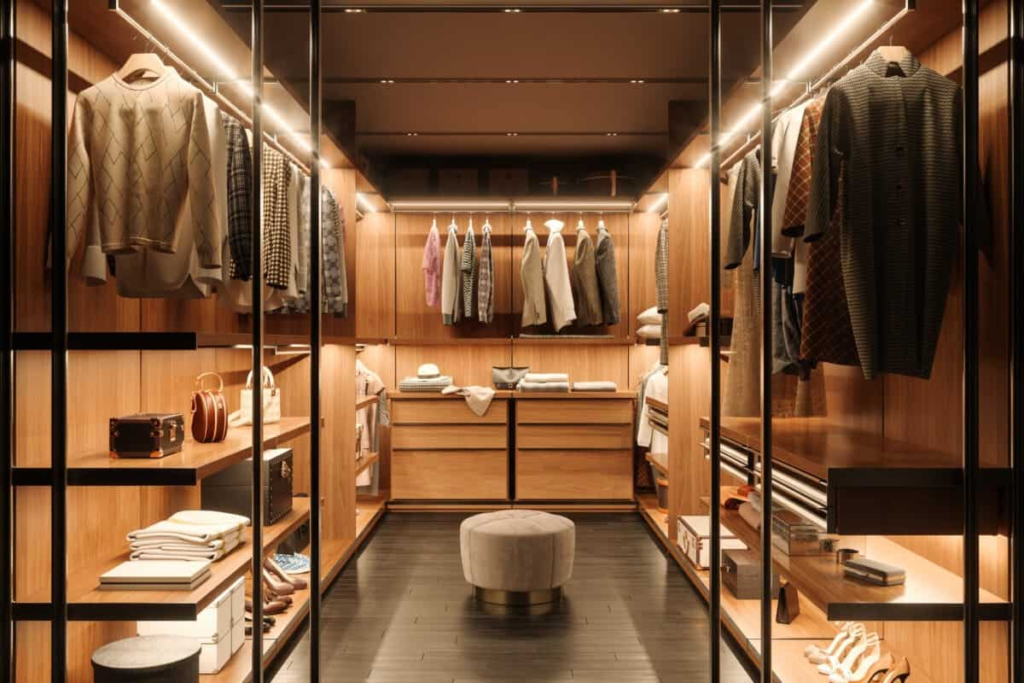
A walk-in closet is no longer just a luxury—it is becoming a practical necessity in modern homes. Every house benefits from a dedicated space to organize clothing, shoes, and accessories efficiently. In 2026, walk-in closets are designed to maximize storage while maintaining style and accessibility.
Key features of modern walk-in closets include:
- Custom shelving and compartments – Adjustable shelves, drawers, and hanging spaces help keep clothing and accessories organized.
- Smart lighting – Motion-sensor LED lights illuminate every corner, making it easy to find items.
- Mirror and vanity space – Full-length mirrors, built-in vanity counters, and seating make dressing more convenient.
- Climate control – Some modern closets include ventilation or humidity control to protect delicate fabrics.
- Luxury touches – Soft carpeting, stylish hardware, and decorative accents make the space inviting and functional.
Having a walk-in closet improves organization, efficiency, and convenience. It helps reduce clutter in bedrooms and ensures that every item has its place, making it a highly desirable feature in every house in 2026.
24. Exercise Room
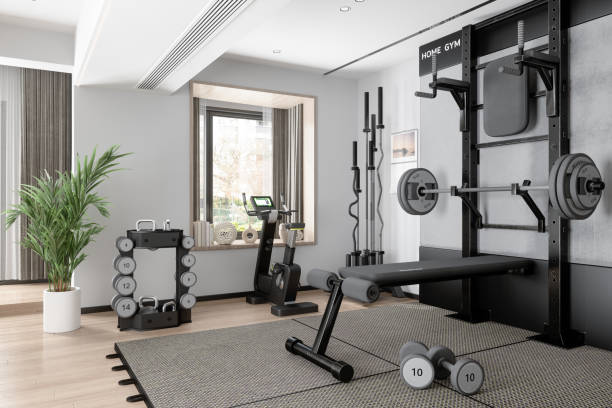
An exercise room is a dedicated space in every house where you can stay active, healthy, and energized. In 2026, more families are adding exercise rooms at home because they offer privacy, convenience, and flexibility compared with going to a gym.
Key features of a modern exercise room include:
- Workout Equipment – This can range from basic items like yoga mats, resistance bands, and dumbbells to treadmills, stationary bikes, or home gym stations.
- Good Ventilation and Lighting – Proper airflow and bright lighting help the space feel fresh and motivating.
- Mirrors – Wall mirrors help you check your form and make workouts more effective.
- Entertainment Options – Many people add a TV or sound system so workouts feel more fun and less tiring.
- Storage Solutions – Racks and shelves keep equipment organized and floors clear.
Having an exercise room at home makes it easier to maintain a healthy lifestyle. You can work out on your schedule, avoid crowded gyms, and focus on fitness in a space that feels comfortable and safe. This room is especially helpful for families who want to support daily physical activity for all ages.
25. Guest Bathroom
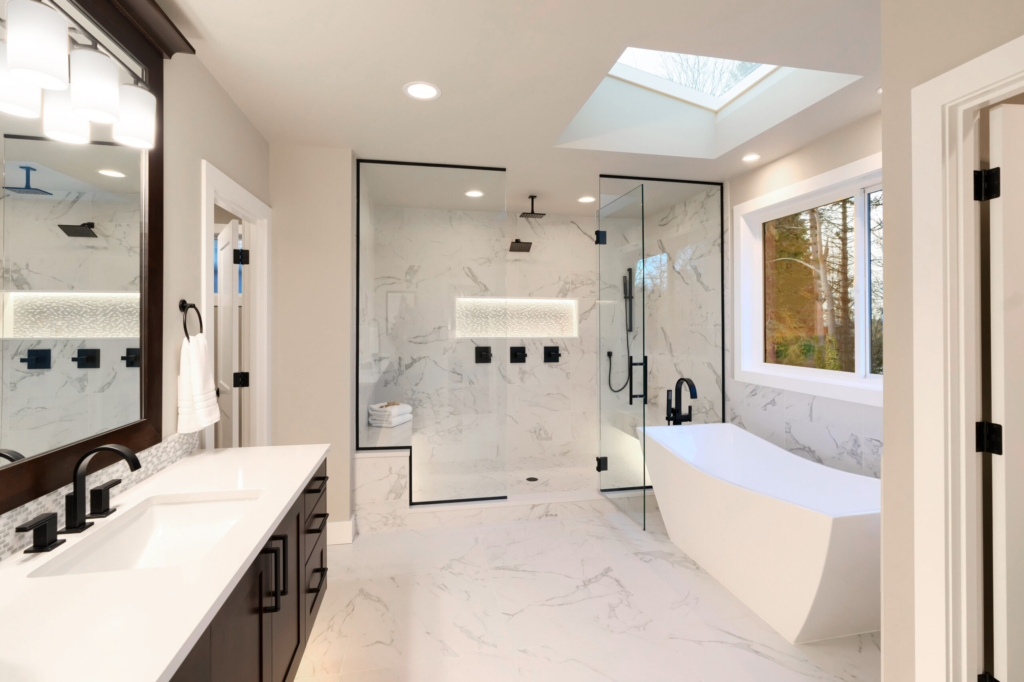
A guest bathroom is an essential feature in every house, offering convenience and privacy for visitors. In 2026, guest bathrooms are designed not just for function but also for comfort, style, and hygiene.
Key features of a modern guest bathroom include:
- Compact yet functional design – Even smaller bathrooms are designed efficiently, with space-saving fixtures like wall-mounted sinks and toilets.
- Modern fixtures and finishes – Sleek faucets, frameless mirrors, and stylish tiles make the space feel fresh and welcoming.
- Good lighting – Layered lighting, including task and ambient options, ensures the bathroom is well-lit for grooming and creates a warm atmosphere.
- Water efficiency – Low-flow faucets, dual-flush toilets, and eco-friendly showers reduce water usage without compromising comfort.
- Accessibility and safety – Non-slip flooring, grab bars, and easy-to-use handles make guest bathrooms safe for visitors of all ages.
- Personal touches – Fresh towels, a small plant, or subtle decorative elements make guests feel at home.
A well-planned guest bathroom reflects thoughtfulness and hospitality, making it a vital room in every house. It combines practicality with aesthetics, ensuring that visitors have a comfortable and pleasant experience.
26. En Suite Bathroom
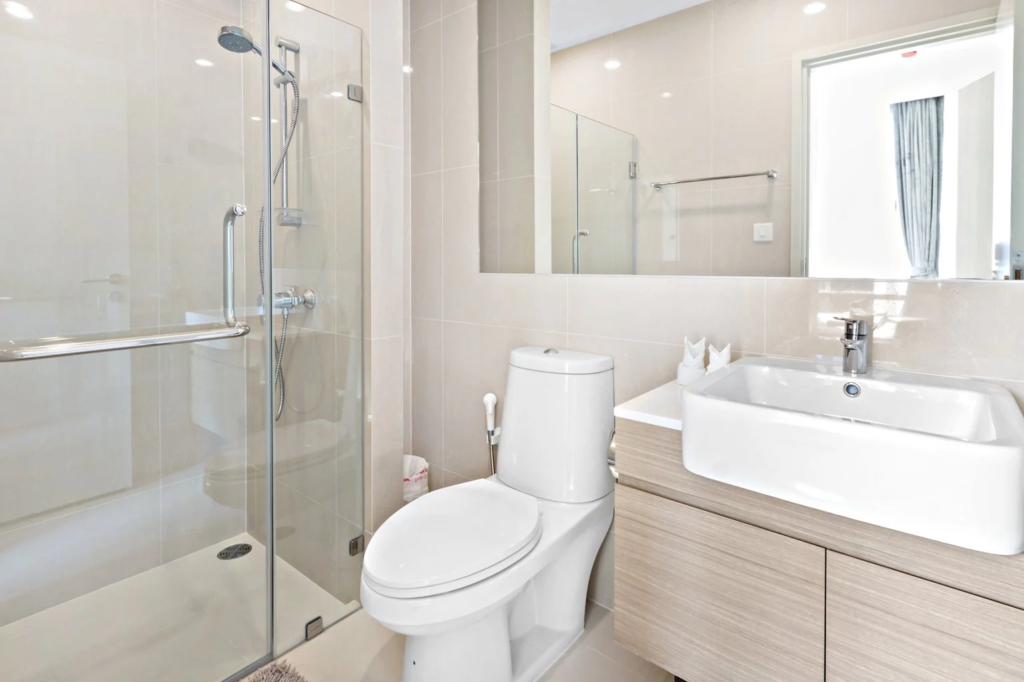
An en suite bathroom is a private bathroom connected directly to a bedroom, usually the master bedroom. In 2026, en suite bathrooms are designed not only for convenience but also as luxurious personal retreats.
Modern features of en suite bathrooms include:
- Spa-like amenities – Rainfall showers, freestanding bathtubs, and heated floors create a relaxing atmosphere.
- Smart technology – Touchless faucets, smart mirrors with LED lighting, and automated temperature control enhance comfort and hygiene.
- Efficient storage – Built-in cabinets, vanity drawers, and medicine closets keep toiletries organized and clutter-free.
- Sustainable fixtures – Water-saving toilets, faucets, and energy-efficient lighting help reduce utility costs and environmental impact.
- Privacy and aesthetics – Frosted glass partitions, stylish tiles, and natural materials make the bathroom feel elegant and personal.
Having an en suite bathroom in every house not only adds privacy and convenience but also increases the overall value of the home. It transforms a simple bathroom into a space where homeowners can unwind and refresh in comfort.
27. Utility Room
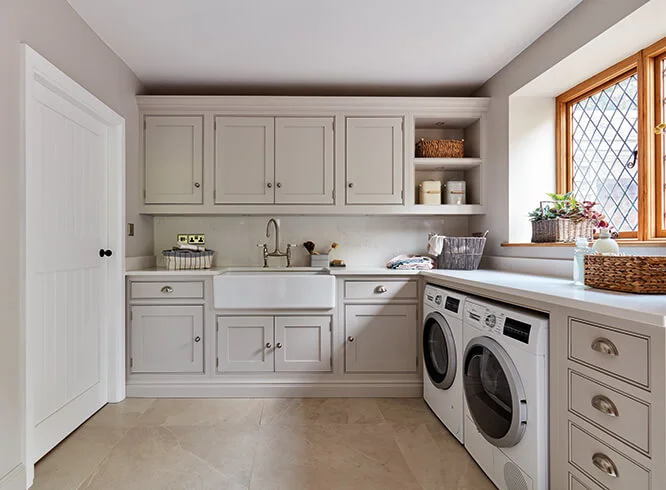
A utility room is an essential part of every house, designed to keep daily chores organized and out of sight. In 2026, utility rooms are no longer just storage spaces—they are efficient, organized, and multifunctional areas that make home management easier.
Modern utility rooms often include:
- Laundry facilities – Washers, dryers, and folding stations are standard, often with energy-efficient and smart appliances that save water and electricity.
- Storage solutions – Shelves, cabinets, and pull-out organizers keep cleaning supplies, tools, and household essentials neatly arranged.
- Pet care areas – Some utility rooms now include spaces for washing or feeding pets, keeping other areas of the home clean.
- Mudroom functionality – Utility rooms often double as mudrooms where shoes, coats, and outdoor gear are stored to prevent mess in main living spaces.
- Compact workspace – In some homes, the utility room is used for minor home projects, ironing, or sorting laundry.
A well-planned utility room reduces clutter, improves home organization, and supports a smoother daily routine. For homeowners in 2026, investing in a functional utility room is a smart way to enhance the efficiency of every house.
28. Wine Cellar
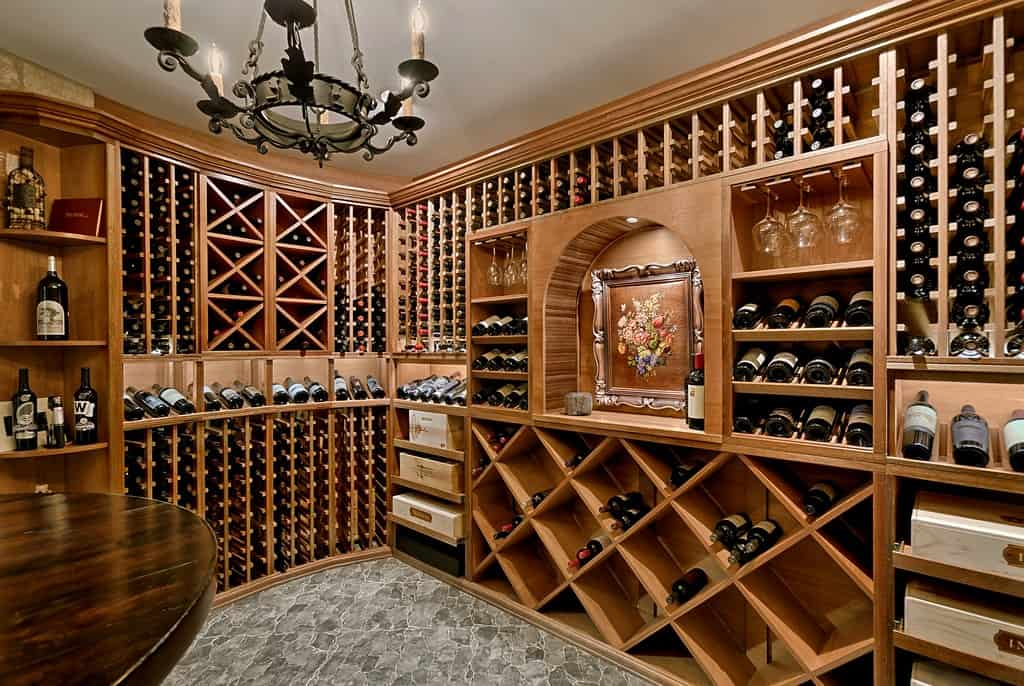
A wine cellar is a dedicated storage room in a house designed to keep bottled drinks—including wines and other beverages—in the best possible condition. In many modern homes, especially larger ones built or renovated in 2026, a wine cellar is included not to promote drinking but to provide organized, climate‑controlled storage for collectible bottles or special occasion beverages.
Key aspects of a wine cellar include:
- Temperature control: The room is kept cool and stable to prevent damage to stored bottles and to protect labels and corks.
- Humidity management: Appropriate humidity levels help prevent corks from drying out.
- Shelving and racks: Custom shelving makes it easy to organize bottles by type, year, or occasion.
- Safety and accessibility: Proper lighting and secure doors keep the space safe and easy to use.
- Multipurpose design: Some wine cellars also function as general beverage or pantry storage for non‑alcoholic drinks, preserving juices, sodas, or specialty bottles.
A well‑planned wine cellar adds value to a home by keeping important bottles well‑organized and protected, and it can be tailored to fit the needs of the household—whether that’s storing rare collections or simply organizing beverages for events.
29. Music Room
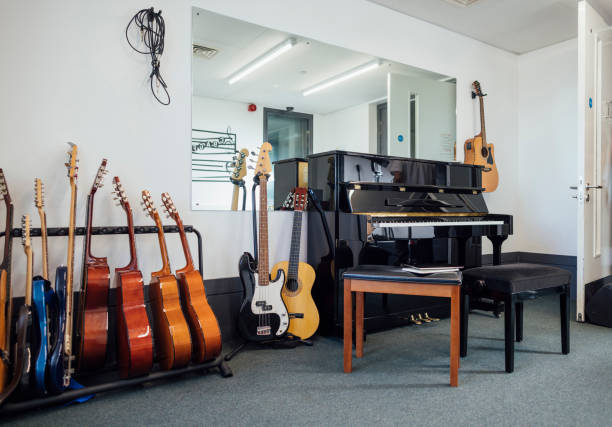
A music room is a dedicated space in every house where you can create, practice, or enjoy music without distractions. In homes today, music rooms are becoming more popular because they support creativity, relaxation, and personal expression. This room isn’t just for professional musicians — even casual players or music lovers benefit from having a space where sound and inspiration come first.
Modern music rooms often include:
- Dedicated practice area with instruments like a piano, guitar, keyboards, or drums.
- Soundproofing so you can play freely without bothering others in the house.
- Display and storage for instruments — guitars on the wall or shelves for sheet music make the room feel organized and inspiring.
- Comfort features such as seating, lighting, and decor that reflect your music taste.
A music room offers many benefits: it provides a calm space to focus on practice, reduces stress through sound immersion, and becomes a special place for creativity and family bonding. Whether you’re composing a song, learning an instrument, or simply listening to your favourite tunes, a dedicated music room adds both function and personality to every house.
30. Game Room
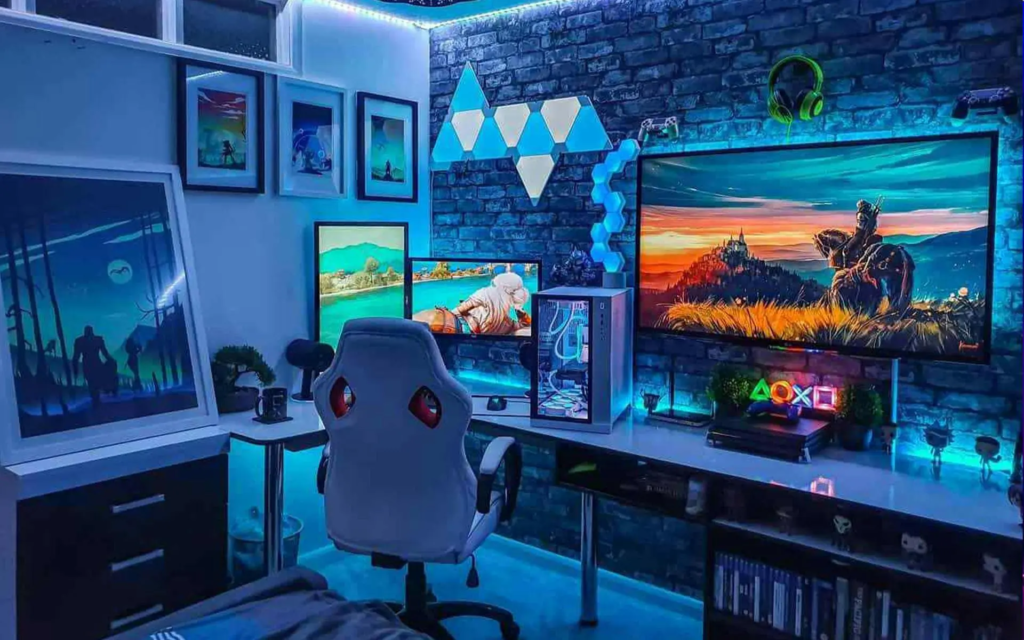
A game room is becoming a popular addition in modern homes, especially in 2026, as more families seek dedicated spaces for fun, entertainment, and socializing. This room is not just for kids; adults also enjoy game rooms for relaxation, friendly competitions, and even casual work breaks.
Key features of a modern game room include:
- Video gaming setups – High-performance consoles, PCs, and VR stations for immersive gaming experiences.
- Table games – Pool tables, foosball, air hockey, or ping pong tables for interactive fun.
- Board games and card areas – Shelves or tables designed for board games, card games, and puzzles.
- Comfortable seating – Bean bags, recliners, or lounge sofas for extended gaming sessions.
- Audio-visual systems – Surround sound speakers, projectors, or large-screen TVs for movies, sports, or gaming tournaments.
- Themed decor – Lighting, wall art, and furniture that reflect a playful or immersive environment.
In 2026, game rooms are designed with flexibility and style, often doubling as media rooms or hobby spaces. Having a dedicated game room in every house provides a place to unwind, bond with family, and enjoy entertainment without distractions from other areas of the home.
31. Workshop
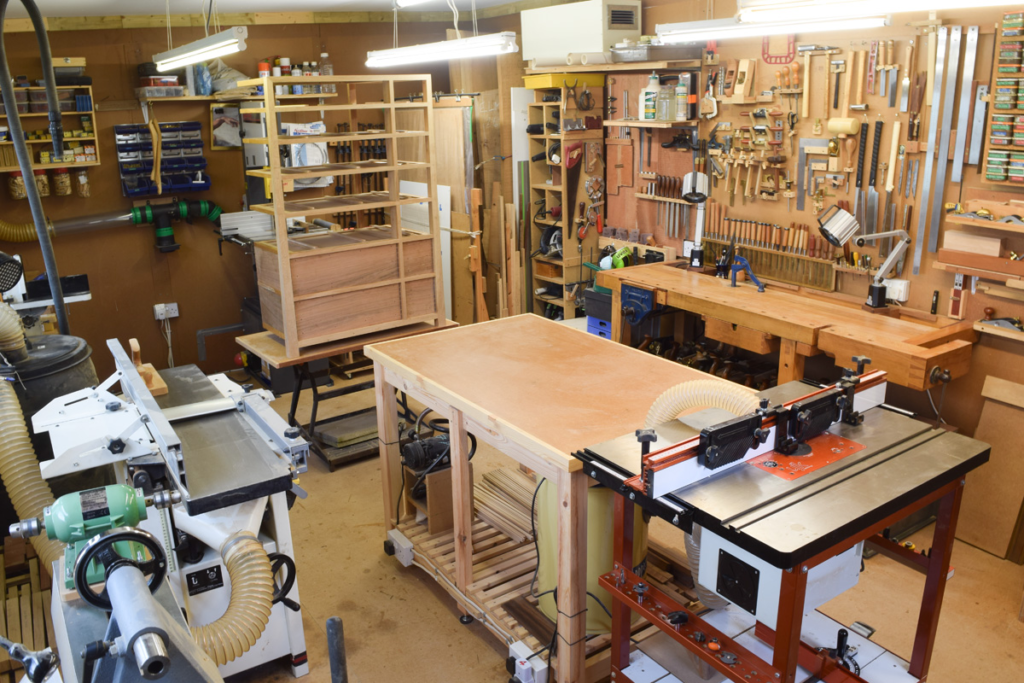
A workshop is a dedicated room in a house where you can work on hands‑on projects, repairs, crafts, or hobbies that require tools, space, and focus. In 2026, having a home workshop is becoming more popular as people want spaces where they can build, fix, create, or simply tinker without compromising the comfort of the rest of the house. Whether you enjoy woodworking, metalworking, electronics, or DIY projects, a workshop gives you a place that is safe, organized, and suited to your needs.
Why a workshop is valuable:
- Convenience and accessibility – You can work on projects any time without needing to travel to a separate studio or renting space, saving time and making your hobby more enjoyable.
- Better organization – With a dedicated bench, storage, and zones for different tools and tasks, everything stays in its place, helping efficiency and reducing clutter.
- Creativity and focus – A workshop gives you a focused environment where you can immerse yourself in building, making, or fixing things, without interruptions from everyday home life.
Features of a good home workshop:
- Workbenches and surfaces – Strong, flat work surfaces help you assemble, cut, or repair materials safely and accurately.
- Tool storage and organization – Cabinets, pegboards, shelves, and labeled drawers keep tools visible and easy to reach.
- Lighting and power – Combining natural light, task lighting, and sufficient electrical outlets ensures you can see your work clearly and power tools safely.
- Safety elements – Proper ventilation, fire safety equipment, and clear walkways help reduce risks when working with tools, finishes, and materials.
Where workshops are placed:
Many homeowners set up their workshop in the garage, basement, or a spare room to keep noise, dust, and heavy tools separate from living areas. With trims, storage, and design elements, workshops today look intentional and can blend with the overall home layout.
In 2026, workshops are more than just utility spaces — they are creative hubs that support hobbies, small business work, and hands‑on learning right inside every house.
32. Storage Room
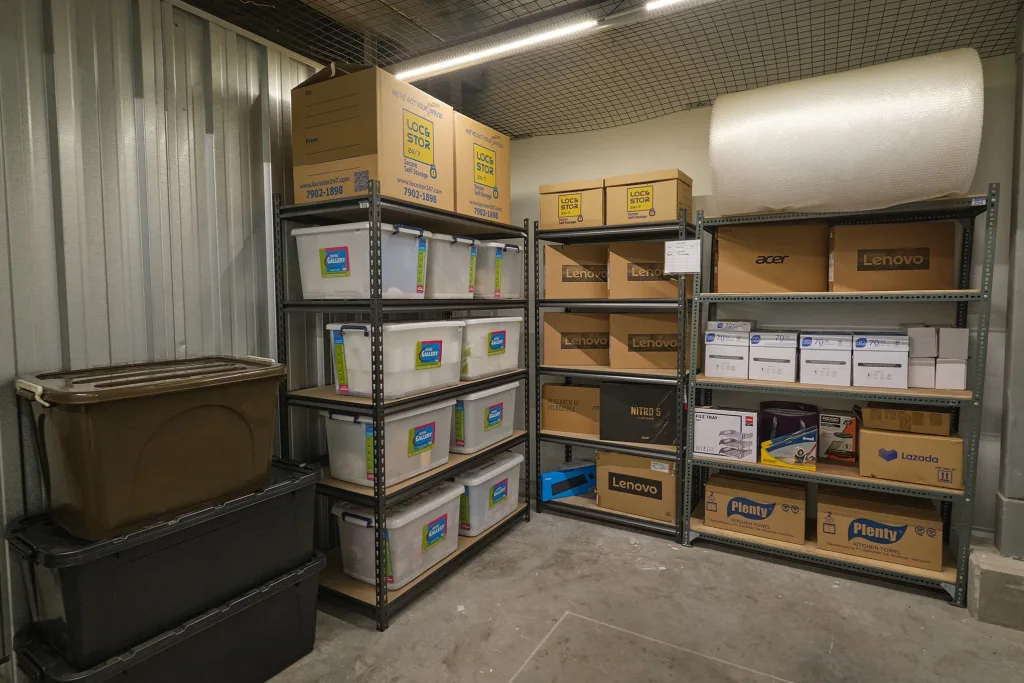
A storage room is an essential part of every house, helping keep the home organized, clutter-free, and efficient. In 2026, storage rooms are no longer just simple closets—they are carefully planned spaces that maximize functionality and accessibility.
Key features of modern storage rooms include:
- Custom shelving and cabinets – Adjustable shelves, built-in cabinets, and pull-out drawers make it easy to store items of all shapes and sizes.
- Smart organization – Labeling systems, modular storage bins, and vertical storage solutions help homeowners quickly locate items.
- Multi-purpose design – Storage rooms often double as pantry spaces, utility closets, or hobby supply rooms.
- Climate control – Some homes include temperature- and humidity-controlled storage for sensitive items like wine, documents, or electronics.
- Accessibility – Sliding doors, proper lighting, and wide aisles make it easier to access stored items safely.
A well-planned storage room saves time, reduces stress, and ensures that every item in the house has a designated place. In 2026, having an organized storage area is considered a must-have for every house, supporting both convenience and cleanliness.
33. Craft Room
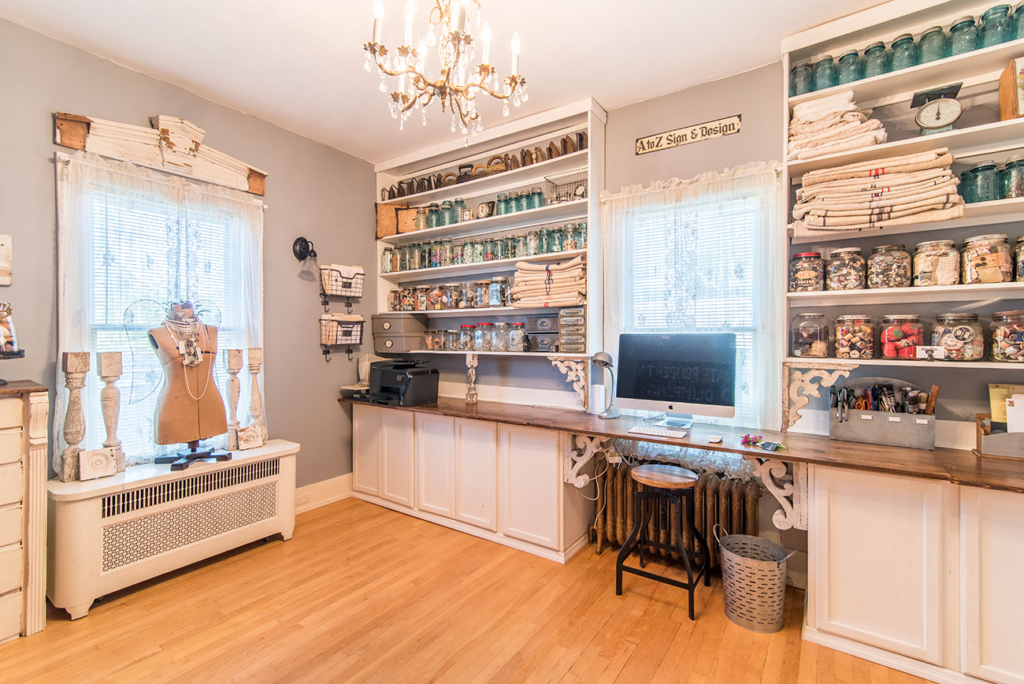
A craft room is a dedicated space in every house for creativity, hobbies, and hands‑on projects. In 2026, as more people value personal interests and stress‑free activities, craft rooms have become essential—not just for artists, but for anyone who enjoys DIY projects, sewing, painting, scrapbooking, or model building.
A craft room helps keep creative messes organized, protects other areas of the home from clutter, and gives you a focused space where ideas can flow freely. Rather than doing crafts on a dining table or couch, a craft room makes it easier to start, stop, and return to projects without losing progress.
Modern craft rooms in 2026 often feature:
- Dedicated storage for supplies like paints, fabrics, beads, and tools, so everything has a place and is easy to find.
- Worktables and adjustable desks that can be changed for different activities, from sewing to woodworking.
- Good lighting (natural and artificial) to support precision tasks and reduce eye strain.
- Inspirational decor like peg boards, display shelves, and mood boards that make the space uplifting and personalized.
- Technology integration such as portable speakers, tablet stands for tutorials, or even small cutting machines for crafts.
Just like other rooms in a house, a craft room supports a specific lifestyle need—a place for creativity, focus, and enjoying hobbies without interruptions.
34. Home Bar
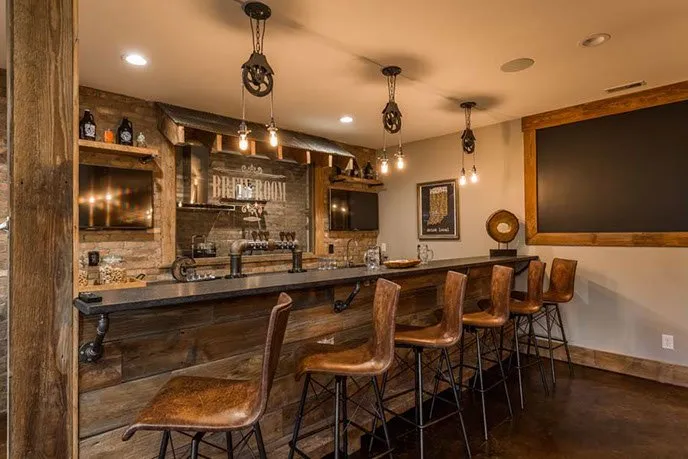
A home bar is a great way to bring style and entertainment into every house. In 2026, home bars are becoming more popular as people look for ways to enjoy social moments at home without going out. A home bar doesn’t have to be large—even a small corner with well‑organized shelving and seating can become a great gathering spot.
Modern home bars often include:
- Stylish shelving and storage for drinks, glassware, and bar tools.
- Counter space or island seating that makes serving and mixing drinks easy.
- Mini‑fridge or beverage cooler to keep drinks cold and ready.
- Ambient lighting like LED strips or pendant lights to create a warm, inviting atmosphere.
- Custom decor elements such as wall art, chalkboards for menus, or themed accessories that reflect your personality.
A home bar adds value by creating a special space for hosting friends, celebrating occasions, or simply relaxing after a long day. Whether you prefer mocktails, juices, or occasional cocktails, a home bar makes shared moments more enjoyable and brings a touch of luxury to every house.
35. Billiard Room
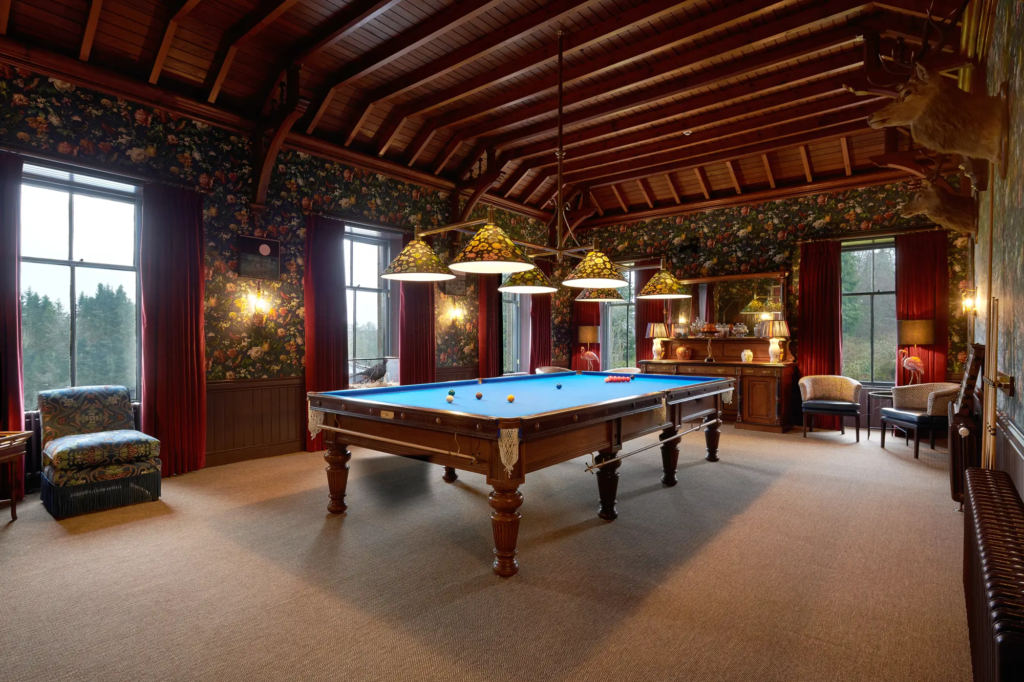
A billiard room adds fun, entertainment, and social space to every house that has the room for it. In 2026, more homeowners are including dedicated game or recreation areas, and a billiard room is one of the most popular choices for family fun and social gatherings.
In a modern billiard room you will often find:
- Standard or custom pool table – From classic green‑felt tables to sleek modern designs, the pool table is the centerpiece.
- Comfortable seating – Bar stools, couches, or lounge chairs let people relax while others play.
- Good lighting – A hanging billiard light over the table ensures visibility and adds style.
- Sound systems – Speakers or smart audio make it easy to play music while enjoying games.
- Additional games or features – Some billiard rooms include dartboards, foosball tables, or mini bars to expand the entertainment value.
A billiard room encourages friendly competition and brings people together. It’s especially great for families, teenagers, and anyone who loves games or hosting friends. While not every house has space for it, a billiard room can elevate the living experience by offering a dedicated place for entertainment and leisure.
36. Veranda or Porch
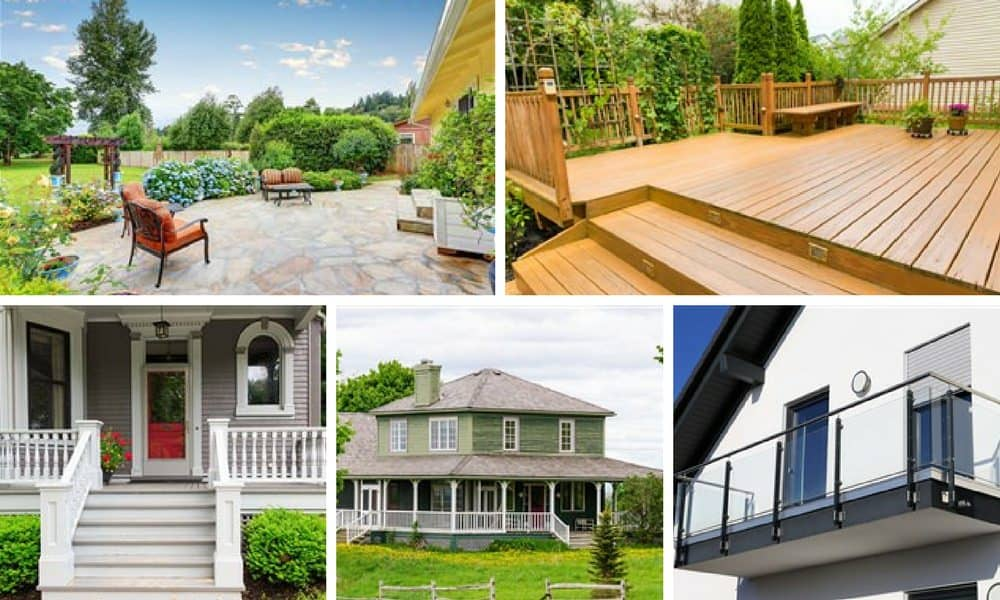
A veranda or porch is a classic feature that adds charm, comfort, and functionality to every house. In 2026, these outdoor spaces are more than just entryways—they are extensions of your living area, perfect for relaxation, socializing, and enjoying fresh air.
Key features of modern verandas and porches include:
- Comfortable seating – Outdoor sofas, rocking chairs, and swings make the space inviting for family time or casual gatherings.
- Weather-friendly designs – Materials like treated wood, composite decking, and weather-resistant fabrics ensure durability and low maintenance.
- Smart lighting and fans – LED lighting, ceiling fans, and outdoor heaters make the porch usable in any season, day or night.
- Decor and greenery – Potted plants, hanging baskets, and outdoor rugs add a cozy and welcoming atmosphere.
- Versatile functionality – In 2026 homes, porches serve as dining areas, reading nooks, or even small workspaces, blending indoor comfort with outdoor freedom.
Having a veranda or porch enhances curb appeal, creates a seamless connection with nature, and offers a quiet retreat without leaving the comfort of home. It’s a space that truly complements the lifestyle in every house.
37. Balcony
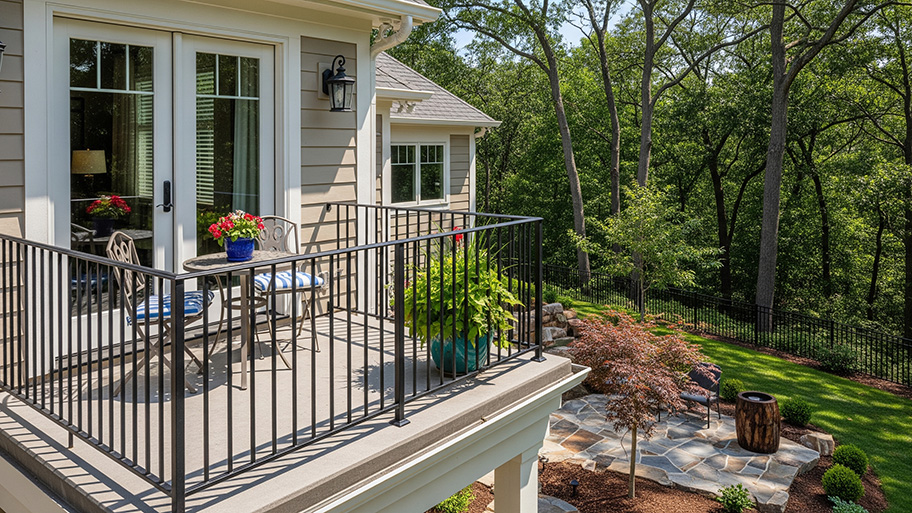
A balcony is a small outdoor extension of a house or apartment that brings several practical and lifestyle benefits to every home. In modern house plans for 2026, balconies are no longer just architectural add‑ons — they are multifunctional spaces that improve comfort, value, and daily living.
Balconies offer a direct connection to the outdoors, allowing fresh air and sunlight to enter adjacent rooms and improve overall air quality. They act as a natural extension of your living space, giving you a place to relax, enjoy morning coffee, or take in a view without stepping out of your home.
In 2026, the design trends for balconies focus on well‑being and versatility. Many homeowners use balconies as mini gardens with plants, vertical greenery, or small water features that bring nature closer to daily life. These outdoor spaces are also used as reading nooks, outdoor dining spots, or even small work‑from‑home corners, especially in urban homes where large outdoor areas may be limited.
Balconies also enhance the aesthetic appeal and value of a house. A well‑designed balcony can make a home look larger and more attractive, adding to its market appeal. Features like stylish railing, weather‑resistant furniture, and smart lighting make balconies inviting spots both day and night.
Overall, a balcony adds fresh air, sunlight, outdoor freedom, and flexible usable space to every house, making it an essential area for comfort and daily enjoyment in modern living.
38. Nursery
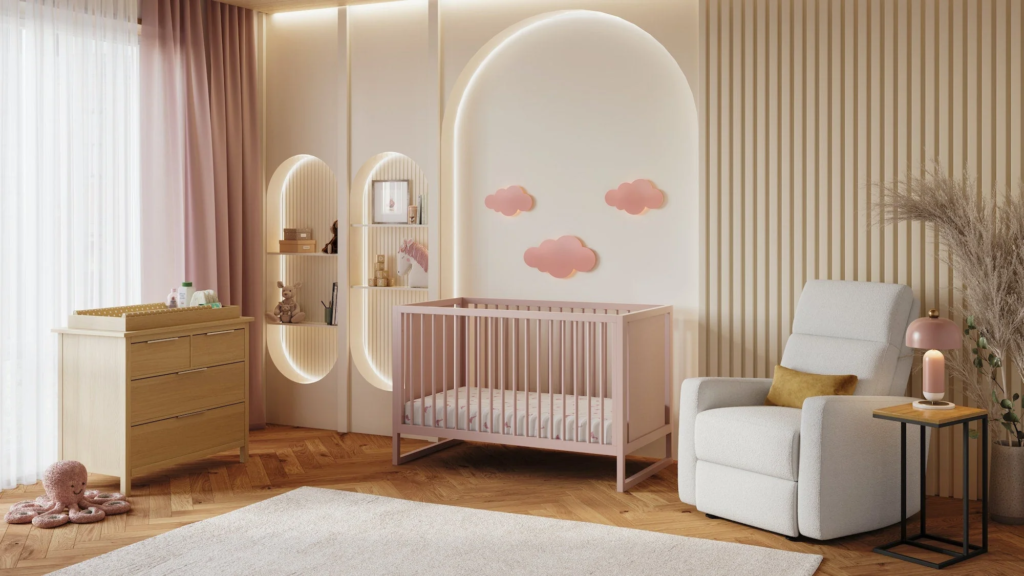
A nursery is an essential room in every house for families with infants or young children. It provides a safe, comfortable, and stimulating environment where babies can sleep, play, and grow. In 2026, nurseries are designed to combine functionality with creativity, supporting both the child’s development and the parents’ convenience.
Key features of a modern nursery include:
- Safe furniture – Cribs, changing tables, and storage units are designed with rounded edges, non-toxic materials, and adjustable features for long-term use.
- Smart lighting and climate control – Soft, dimmable lights and smart thermostats help create a calm and cozy environment for sleep.
- Storage solutions – Shelves, bins, and organizers keep toys, clothes, and baby essentials tidy and accessible.
- Play and learning areas – Soft mats, interactive toys, and educational wall decorations stimulate sensory development.
- Multipurpose design – Many nurseries in 2026 are designed to grow with the child, transforming into a toddler or study area as needed.
A well-planned nursery ensures a safe, nurturing space for babies while making daily routines easier for parents. Even in smaller homes, having a dedicated nursery contributes to a happy, organized household, making it a valuable addition to every house.
39. Conservatory
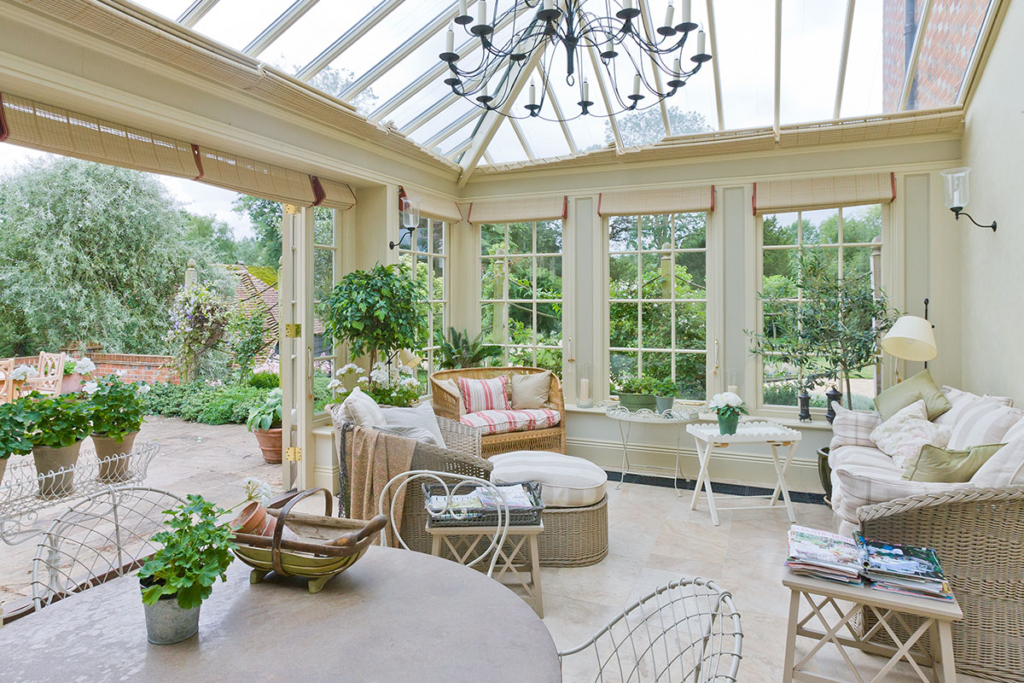
A conservatory is a bright, glass‑filled room attached to a house, designed to bring the outdoors inside while still offering shelter. Traditionally used as plant rooms or sunrooms, conservatories have evolved in 2026 to become year‑round living spaces rather than seasonal add‑ons. Modern conservatory designs use energy‑efficient glass and improved insulation so the room stays comfortable in all seasons.
In many homes today, a conservatory serves multiple purposes beyond just relaxing in the sun. Some people use it as:
- A breakfast or dining area, enjoying views of the garden while eating.
- A reading nook or lounge space, thanks to natural light and calm surroundings.
- A home office or creative corner, especially when integrated with power and internet access.
- A playroom or hobby area that gets plenty of daylight and still feels part of the home.
In 2026, key conservatory trends focus on better temperature control, sustainable materials, and architectural style. Hybrid roof designs mix glass with insulated panels to balance light with comfort, and smart ventilation systems help keep airflow steady without extreme heat or cold. There’s also an emphasis on modern lines and large bi‑fold doors to create a smooth transition between indoor and outdoor spaces.
40. Greenhouse
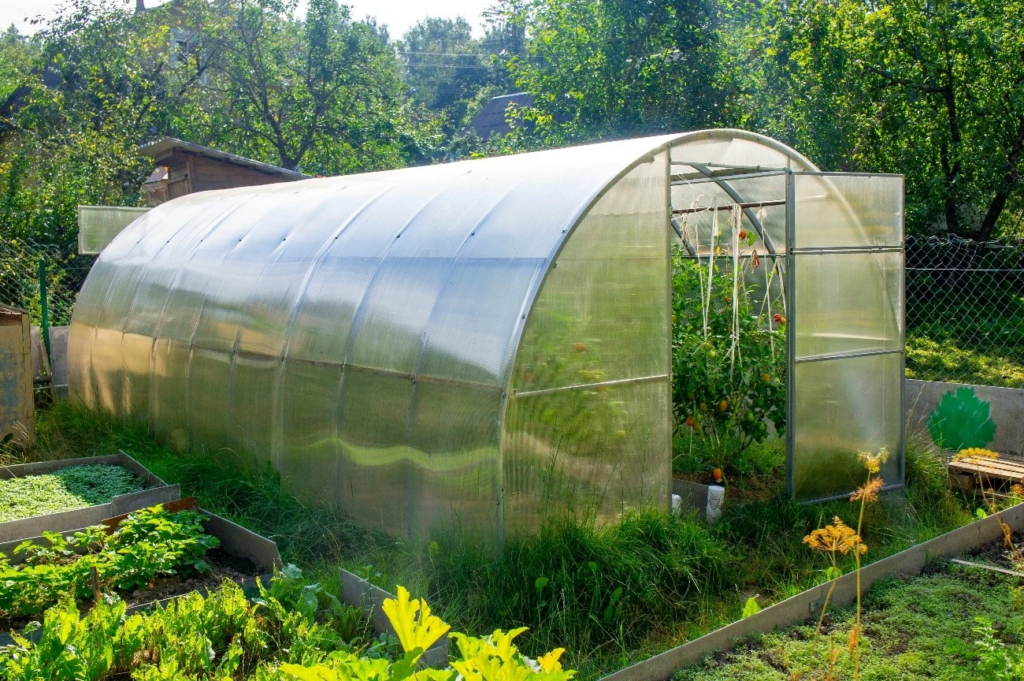
A greenhouse is a special room or space in a house designed to grow plants, herbs, fruits, and vegetables in a controlled environment. Unlike a simple garden, a greenhouse uses glazed walls or transparent roofs to capture sunlight and maintain warm temperatures, allowing plants to thrive even in colder seasons.
In 2026, greenhouse rooms are becoming popular in many homes for several reasons:
- Year‑round gardening: Greenhouses let homeowners grow fresh herbs, leafy greens, and even fruit plants throughout the year, regardless of the outdoor climate. This can reduce grocery costs and increase food freshness.
- Natural warmth & energy efficiency: The sun’s energy warms the greenhouse, and when it is attached to the house, it can help reduce heating needs by acting as a thermal buffer between the outside weather and living spaces.
- Mental well‑being: Being surrounded by plants and natural light has been shown to improve mood, reduce stress, and create a peaceful corner for relaxation or even reading and meditation.
- Functional design trends: Modern greenhouse rooms now include smart glass, sensors, partitions, and climate controls that help manage temperature and sunlight, making plant care easier and more reliable.
Some homeowners use their greenhouse as more than just a place for plants — it can double as a sunroom, hobby space, or quiet retreat where people connect with nature right at home. This combination of functionality and comfort makes a greenhouse a valuable addition to every house in 2026.
41. Boiler Room
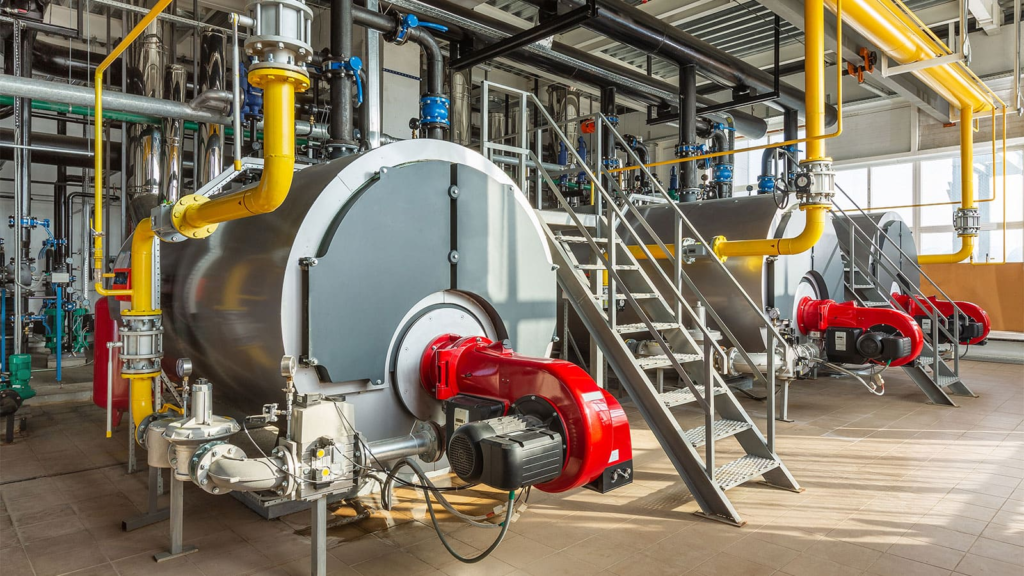
A boiler room is an important utility space in every house that needs reliable heating and hot water. In 2026, boiler rooms are designed not just to house equipment, but also to be organized, safe, and efficient.
In modern homes, boiler rooms typically include:
- High‑efficiency boilers or heating systems that reduce energy use and lower utility bills. Many homes now use condensing boilers or hybrid systems that work with renewable energy sources.
- Proper ventilation and safety features to ensure air flow and reduce risk of gas buildup or overheating.
- Well‑planned storage and access space for pipes, filters, and maintenance tools so technicians can work easily.
- Insulation and soundproofing to keep the rest of the house quiet and comfortable while the system is running.
- Smart controls or thermostats that help homeowners monitor and adjust heating schedules for comfort and energy savings.
A dedicated boiler room keeps heating systems contained and tidy, improves safety, and makes maintenance simpler. Even in homes with smaller footprints or alternative heating methods (like heat pumps), a properly designed mechanical room remains an essential part of home planning in 2026.
42. Indoor Pool Room
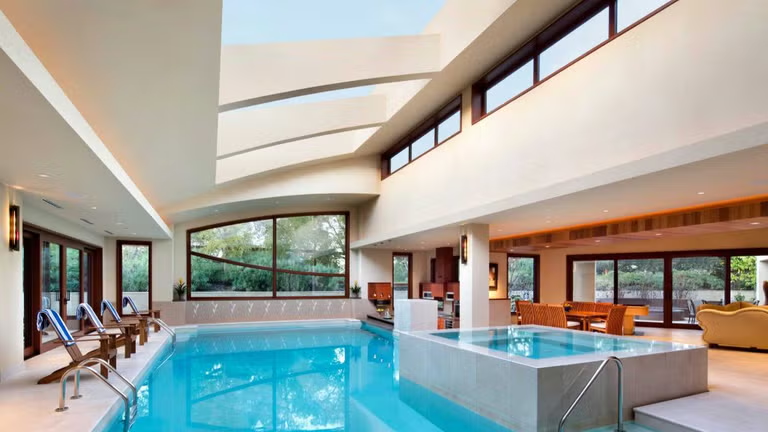
An Indoor Pool Room is a luxurious and practical addition to a house that combines recreation, fitness, and relaxation all in one space. Unlike outdoor pools, an indoor pool can be used year‑round, regardless of the weather, making it a great feature in every house that values comfort and wellbeing.
In 2026, indoor pool rooms are designed with advanced technology and safety in mind. Some key elements include:
- Climate control systems that regulate temperature and humidity, keeping the air comfortable and reducing condensation.
- Energy‑efficient heating for both the pool water and surrounding space, which helps save on utility costs.
- Slip‑resistant flooring and good drainage for safety and cleanliness around the pool area.
- Natural light and ventilation through skylights or large windows, making the room feel open and connected to the outdoors.
- Relaxation zones beside the pool with lounge chairs, soft lighting, and even plants to create a calming environment.
- Wellness features like water jets, hydrotherapy zones, or adjacent steam rooms for therapeutic benefits.
An indoor pool room not only provides a year‑round place for exercise and play, but also increases the value and appeal of a house. Whether you swim for fitness, host pool parties, or simply relax by the water, this room adds a touch of luxury and enjoyment to every house.
43. Outdoor Kitchen
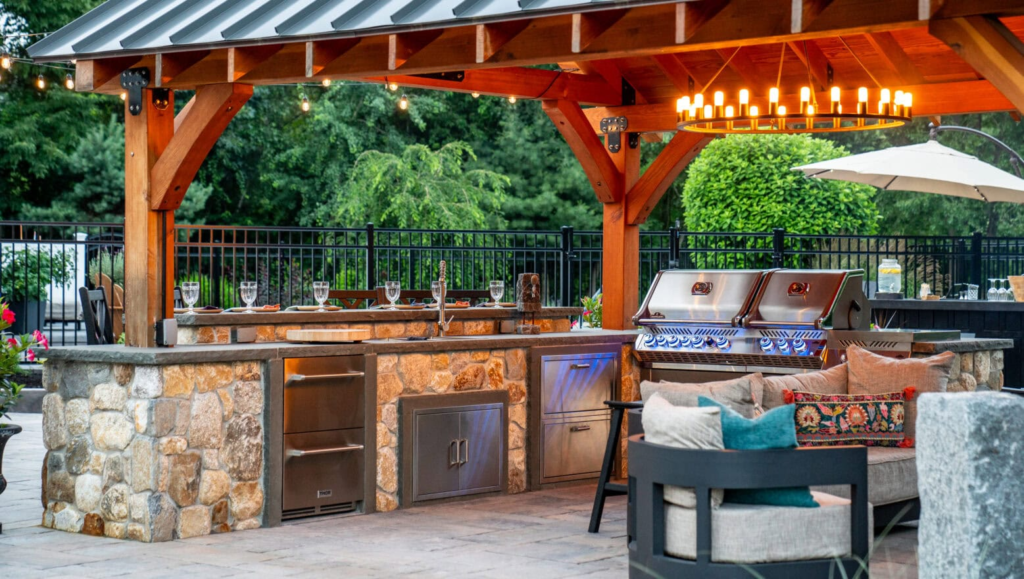
An outdoor kitchen is a popular addition to many homes in 2026, especially for people who love cooking, eating, and spending time outside. Unlike a regular indoor kitchen, an outdoor kitchen is built in a backyard, patio, or garden area and is designed for preparing meals while enjoying fresh air and nature. Outdoor kitchens are becoming essential in modern homes because they turn ordinary outdoor space into a comfortable entertaining and dining hub. Homeowners now want outdoor kitchens that feel almost like an indoor kitchen but with features suited to outdoor living.
Key Features of Modern Outdoor Kitchens:
- Cooking Appliances – Today’s outdoor kitchens often include grills, flat‑top cooktops, smokers, and even pizza ovens rather than just a single barbecue. These appliances let you prepare a wide range of foods for family and guests.
- Integrated Storage and Counters – Deep drawers, cabinets, and prep areas help keep tools, serving dishes, and condiments organized and protected from weather.
- Weather‑Resistant Materials – UV‑safe countertops, stainless steel cabinets, and durable finishes ensure the kitchen lasts through sun, rain, and temperature changes.
- Seating and Social Space – Outdoor kitchens often include bar seating, dining tables, or nearby lounge areas to make cooking and socializing feel connected and fun.
- Smart Features and Lighting – App‑controlled lighting, smart grills, and outdoor‑rated refrigeration make the space convenient and enjoyable both day and night.
Outdoor kitchens offer more than just cooking space—they stretch your home’s living area into the outdoors. Good design makes them perfect for summer barbecues, family meals, casual hangouts, and even year‑round use with shaded or covered structures.
Conclusion
Designing a home with the right mix of rooms can transform an ordinary house into a comfortable, functional, and enjoyable space. From essential areas like living rooms, kitchens, and bedrooms to modern additions like home offices, outdoor kitchens, and fitness rooms, every room serves a unique purpose in supporting your lifestyle.
In 2026, homeowners are focusing on flexibility, technology, and wellness in home design, making each room not just practical but also inviting and personalized. Thoughtful planning ensures that every house accommodates the needs of its residents while enhancing social interaction, relaxation, and productivity.
By considering the 43 must-have rooms and tailoring them to your family’s needs, you can create a home that is organized, stylish, and truly feels like your own sanctuary. Every room adds value and makes your house a complete and harmonious home.
Related posts:
- How Big Is 100 Square Feet? Room Size & Easy Conversion Guide
- SW Accessible Beige (SW 7036): Undertones & Color Guide
- Top Ranch House Exterior Ideas for Modern and Timeless Appeal
- Red Brick House: A Home That Feels Warm Strong and Timeless
- Best Laundry Room Decor Ideas for Small and Modern Homes in 2026
